Industries
Window Cleaning Auto Detailing Solar Panel Cleaning Pressure Washing Fleet & Vehicle Washing Building Facades Boat & Marine RV & Camper Commercial Kitchen Hydroponics
Specialty
Household Cleaning Jewelry & Optics Pet & Aquarium Beauty Tools Musical Instruments Art Conservation Brewing & Beverage Ultrasonic Cleaning Painting & Coating Medical & Dental Electronics
Guides
How DI Water Works What is TDS? DI vs Tap vs Distilled Spot-Free Rinse Guide Water-Fed Pole Systems Test Water Purity Start a Business Cost Analysis Safety & Handling
Shop
Products Shop DI Water →
Contact
Contact Us
Art conservation background

Artwork Conservation & Restoration

The role of high-purity deionized water in preserving artistic history and heritage.

Precision Purity for Cultural Preservation

In the world of art conservation, every treatment is a balance between effectiveness and risk. Traditional tap water, while seemingly harmless, contains a cocktail of minerals, dissolved gases, and treatment chemicals (like chlorine) that can trigger catastrophic reactions in historical materials.

Deionized (DI) Water is the trusted standard in museum laboratories and private restoration studios. By removing these reactive ions, conservators gain a chemically neutral cleaning agent that can safely interact with delicate pigments, binders, and substrates.
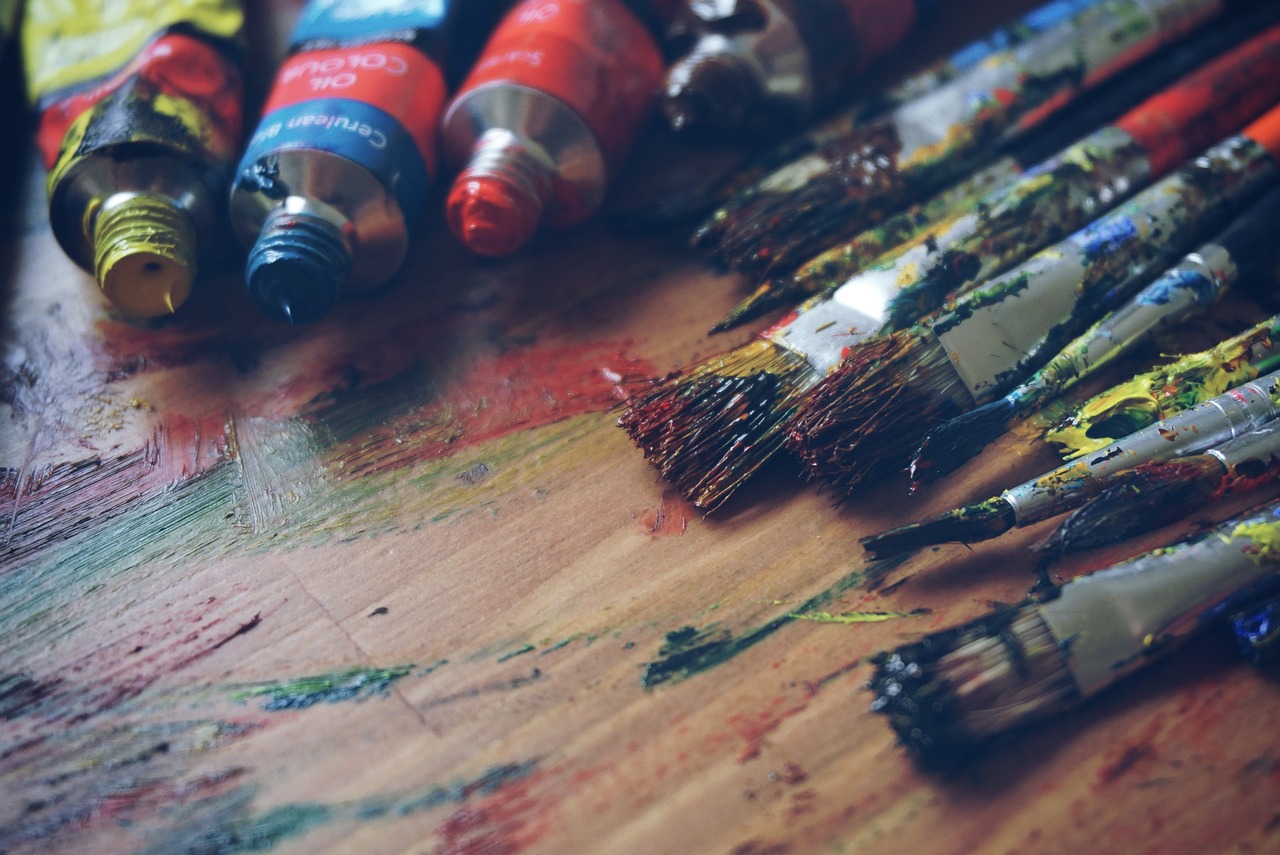
Close-up of delicate painting restoration using pure water

Applications in Art Restoration

DI water is rarely used alone; it is typically the base for aqueous cleaning solutions, enzyme treatments, or specific pH-balanced gels. Its purity ensures that no unexpected chemical reactions occur between the cleaning agent and the artwork.

Surface Cleaning of Paintings

Over decades, oil and acrylic paintings accumulate layers of airborne pollutants, soot, and dust. Conservators use DI water (often with specific surfactants) to gently lift this "surface grime" without disturbing the underlying varnish or paint layers. The lack of minerals prevents the formation of white crusts or "bloom" after the water dries.

Paper and Textile Conservation

Paper and textiles are particularly susceptible to mineral staining and acidification. Deionized water is used for "washing" historical documents or textiles to remove acidic degradation products. Because DI water is mineral-free, it doesn't leave behind iron or copper ions that could catalyze future rot.

  • No Residue: Dries without leaving mineral crystals on delicate surfaces.
  • pH Control: Provides a neutral baseline for creating precisely buffered solutions.
  • Safe for Pigments: Eliminates reactive chlorine and metal ions.
  • Controlled Solubility: Allows for predictable interaction with water-soluble dirt.

The Importance of ASTM Type II Water

For most conservation tasks, ASTM D1193 Type II water is the required standard. It provides the necessary level of purity while remaining safe for most historic materials. For sensitive analytical work or highly reactive metal conservation, Type I water may be preferred.
Conservation FAQs

Is deionized water safe for cleaning 19th-century oil paintings?

DI water is a standard tool in conservation, but its application depends on the specific varnish and pigments. It is typically used for surface dirt removal after testing for sensitivity.

How does DI water differ from tap water in art conservation?

Tap water contains minerals like calcium and chlorine that can react with art materials or leave white deposits. DI water is pure and chemically inert, preventing these issues.

Can DI water be used on delicate paper and parchment?

Yes, deionized water is often used in paper washing and local stain treatment because it allows for precise control of moisture without introducing contaminants.

Is distilled water just as good for conservation?

Distilled water is also pure, but deionized water is often preferred in professional labs as it can reach higher purity levels and is more efficient to produce at scale.

Does DI water contain chlorine?

No. The deionization process removes ions, including chlorine, which is critical for conservation as chlorine can cause long-term acidification and damage to fibers and pigments.

Deionized Water
Precision for Projects

Restore with Confidence

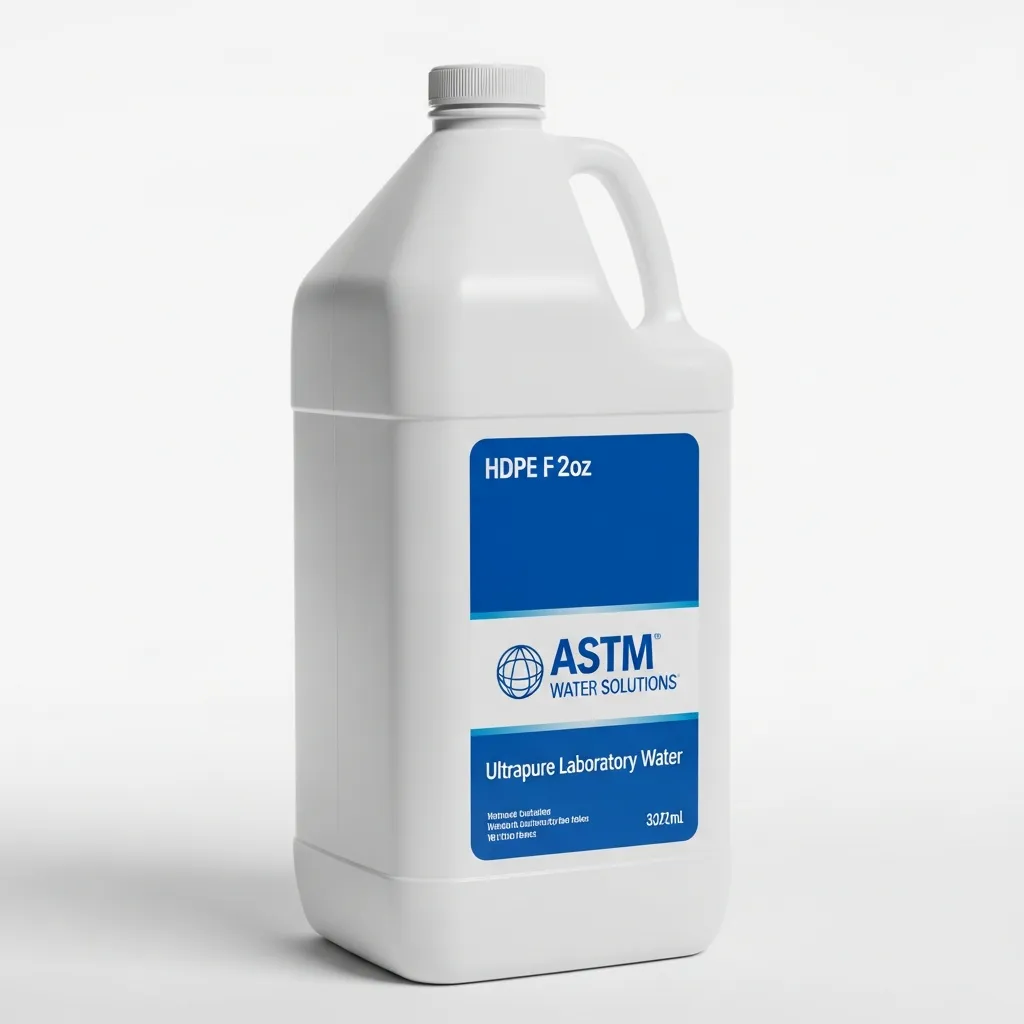
Our 32oz ASTM Type II Deionized Water is the ideal size for restoration studios and precision conservation work. High purity, conveniently bottled for small-scale applications.

Shop 32oz DI Water →