Industries
Window Cleaning Auto Detailing Solar Panel Cleaning Pressure Washing Fleet & Vehicle Washing Building Facades Boat & Marine RV & Camper Commercial Kitchen Hydroponics
Specialty
Household Cleaning Jewelry & Optics Pet & Aquarium Beauty Tools Musical Instruments Art Conservation Brewing & Beverage Ultrasonic Cleaning Painting & Coating Medical & Dental Electronics
Guides
How DI Water Works What is TDS? DI vs Tap vs Distilled Spot-Free Rinse Guide Water-Fed Pole Systems Test Water Purity Start a Business Cost Analysis Safety & Handling
Shop
Products Shop DI Water →
Contact
Contact Us
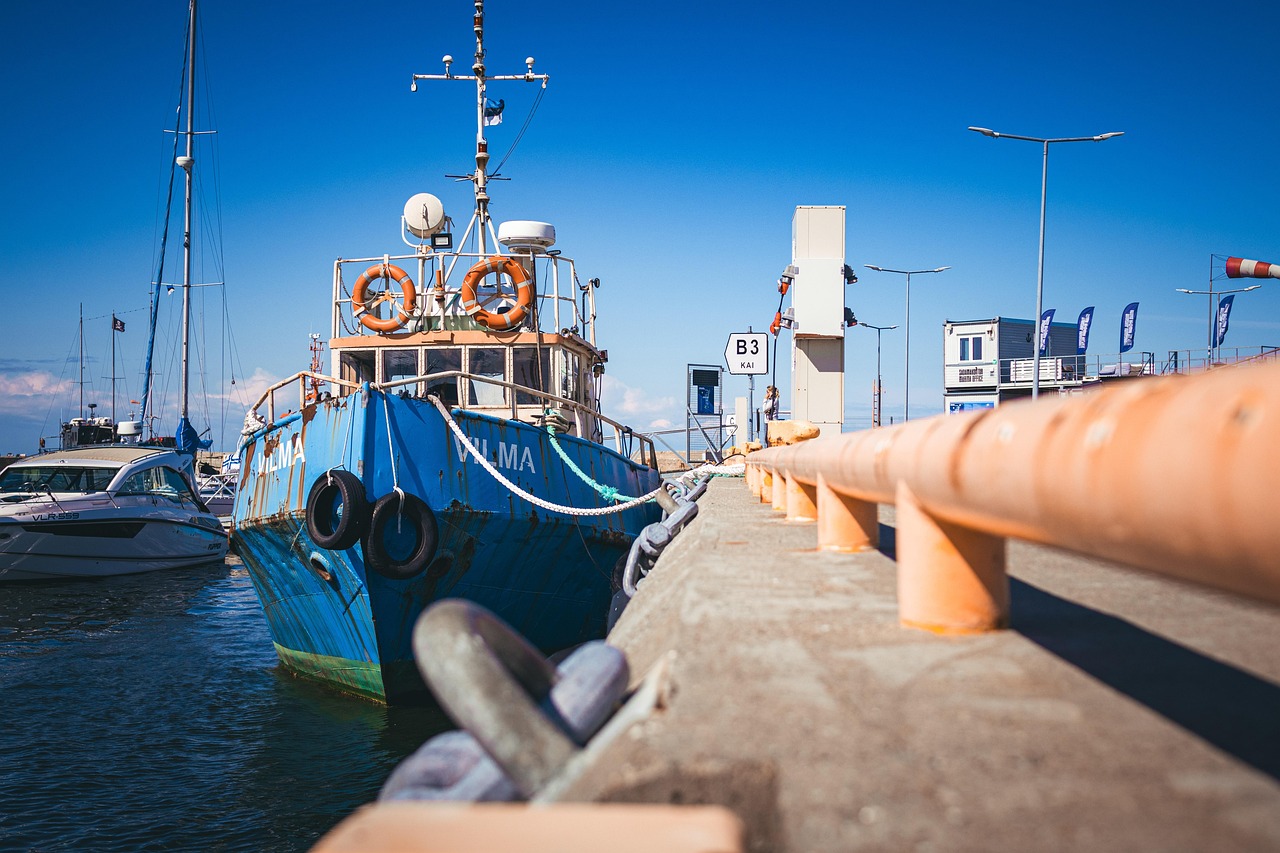
Luxury yacht being detailed with deionized water
⛵ Marine Grade Purity

The Yacht Detailer's Secret to a Spot-Free Shine

Eliminate salt spray, mineral spots, and towel drying. Discover how deionized water delivers a showroom finish on every vessel.

Why Ocean Air Demands Pure Water

Cleaning a boat is inherently more difficult than cleaning a car. Between the corrosive effects of saltwater and the intense UV exposure on the open ocean, marine surfaces — from gelcoat and stainless steel to tempered glass — are under constant assault.

Traditional tap water contains dissolved minerals like calcium and magnesium. In the marine environment, these minerals combine with salt spray to create stubborn "water spots" that are nearly impossible to remove once they bake in the sun. Deionized (DI) water solves this by removing 100% of these minerals, allowing the water to evaporate cleanly without leaving a trace.
  • No more towel drying large hull surfaces
  • Safely removes salt deposits without scratching
  • Crystal clear results on marine glass and Isinglass
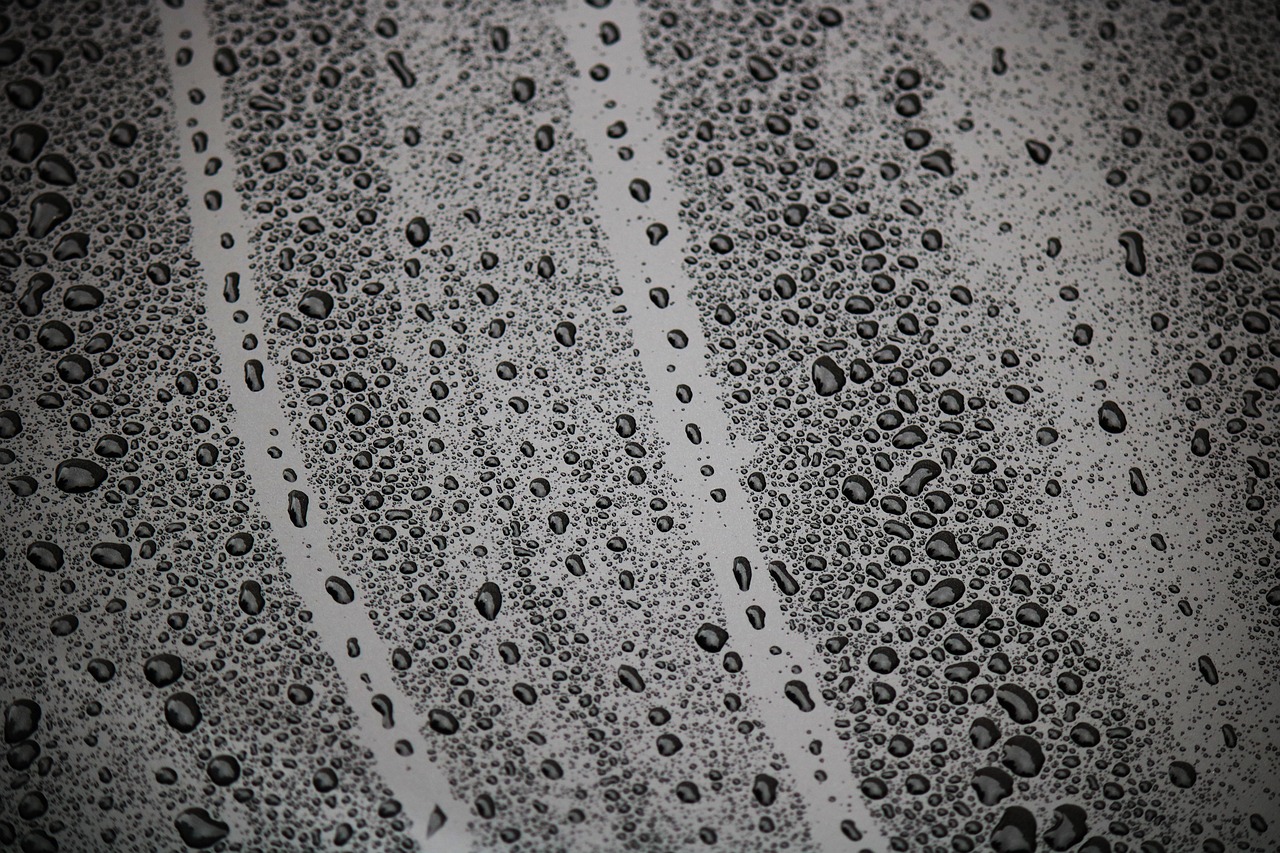
Spot-free rinse on a boat hull

Stop Fighting the Sun

Marine detailing often happens in direct sunlight, where water evaporates in seconds. This is where DI water truly shines.

⚠️ The Problem

Tap water rinses leave behind mineral deposits (TDS) that form hard water spots. On a hot boat deck or hull, these spots dry instantly, requiring aggressive buffing or chemical vinegar washes that strip away protective wax and ceramic coatings.

The DI Solution

Because DI water has 0 TDS (Total Dissolved Solids), there is nothing left to spot. You can rinse the entire vessel in full sun and simply let it air dry. The result is a perfect, streak-free finish that preserves your wax and protection.

Marine Detailing Common Questions

Why is DI water better for boats than tap water?
Tap water contains minerals that leave white spots when they dry. On a boat's gelcoat and brightwork, these spots are highly visible and can bake into the surface. DI water has all minerals removed, ensuring a spot-free finish even in direct sunlight.
Can I use DI water on saltwater deposits?
Yes! DI water is 'hungry' water, meaning it is highly effective at dissolving salt crystals and lifting them away from the surface without leaving any new mineral residue behind.
Is DI water safe for boat electronics?
Pure deionized water is non-conductive, making it the safest option for cleaning around marine electronics, screens, and instrument panels.
Does DI water affect boat wax or ceramic coatings?
No, DI water is pH-neutral and contains no harsh chemicals. It is perfectly safe for all marine waxes, sealants, and ceramic coatings, and actually helps extend their life by preventing mineral buildup.
How much DI water do I need for a full wash?
Most detailers use tap water for the initial wash and scrub, then switch to DI water for the final rinse. For a 30-foot vessel, a 4-gallon supply is usually sufficient for multiple spot-free rinses.

Professional Grade DI Water for Your Boat

Experience the difference of a 0-TDS rinse. We recommend our 4-Gallon Case for marine enthusiasts and professional yacht detailers.

Shop 4-Gallon Case →