🍺 Pure Brew, Pure Clean
Brewing & Beverage Equipment Cleaning
In the world of brewing and beverage production, purity is everything. Discover why deionized water is the professional choice for residue-free equipment maintenance.
In the world of brewing and beverage production, purity is everything. Discover why deionized water is the professional choice for residue-free equipment maintenance.
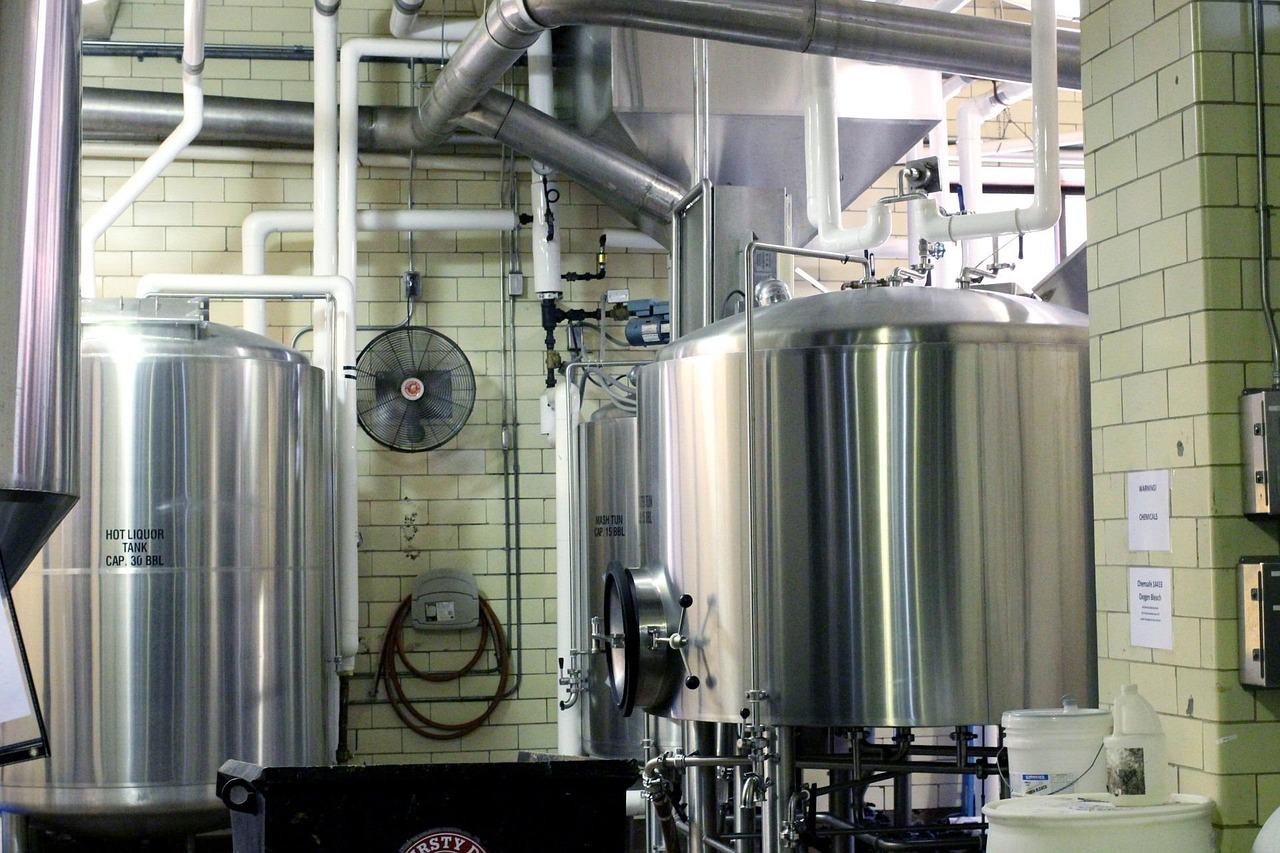
Whether you're running a commercial craft brewery, a small-scale distillery, or maintaining high-end beverage dispensing systems, the quality of your water directly impacts the quality of your product. While water is a primary ingredient, it is also the most critical component of your cleaning and sanitation protocol.
Ordinary tap water contains dissolved minerals like calcium, magnesium, and chlorine. When used for cleaning tanks, lines, and kegs, these minerals can leave behind "beer stone" (calcium oxalate) and other scale deposits that harbor bacteria and affect the flavor profile of your brew.
Deionized (DI) water has been stripped of all mineral ions, making it an "aggressive" solvent that naturally pulls residues away from surfaces without leaving any of its own minerals behind.
DI water is versatile across several stages of the beverage production lifecycle:
For high-frequency cleaning and rinsing of larger equipment, we recommend our Type II 4-Pack for maximum value and volume.
Shop Type II 4-Pack →No. While both are purified, DI water is typically purer and more cost-effective for large-scale cleaning. Deionization removes nearly all dissolved minerals, whereas distillation can leave trace amounts behind.
DI water is an excellent base for brewing because it provides a "blank canvas." Brewers often start with DI water and add specific salts (gypsum, calcium chloride) to match a specific regional water profile (like Burton-on-Trent).
While DI water alone won't remove existing beer stone, using it for rinsing and as a carrier for acid cleaners helps prevent the formation of new calcium oxalate deposits by removing the mineral ions that cause them.
Yes, ASTM-certified deionized water is perfectly safe for cleaning food and beverage contact surfaces, as it contains no harmful chemicals or biological contaminants.
DI water should be stored in sealed, food-grade HDPE containers to prevent it from absorbing carbon dioxide or airborne contaminants, which can lower its purity over time.