Beyond Visible Clean: Purity in the Kitchen
In a commercial kitchen, cleanliness isn't just about appearance—it's about safety, compliance, and food quality. Traditional cleaning often involves heavy detergents and sanitizers that, while effective at killing bacteria, can leave behind chemical residues and mineral scale from hard tap water.
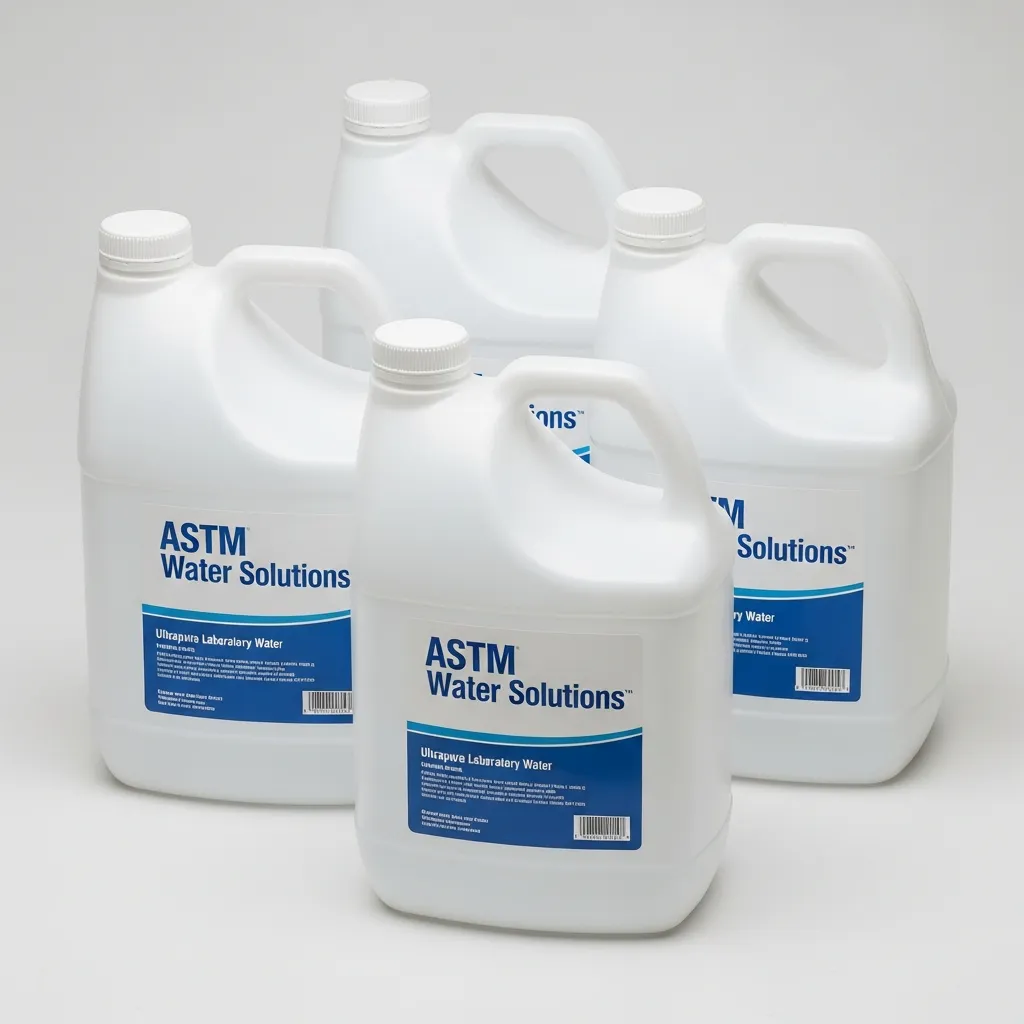
Deionized (DI) Water provides a solution for the final, most critical stages of cleaning. By removing all dissolved solids, it creates a surface that is truly bare, with no chemical film or mineral deposits left behind to harbor microorganisms or affect the taste of food.
The Stainless Steel Secret
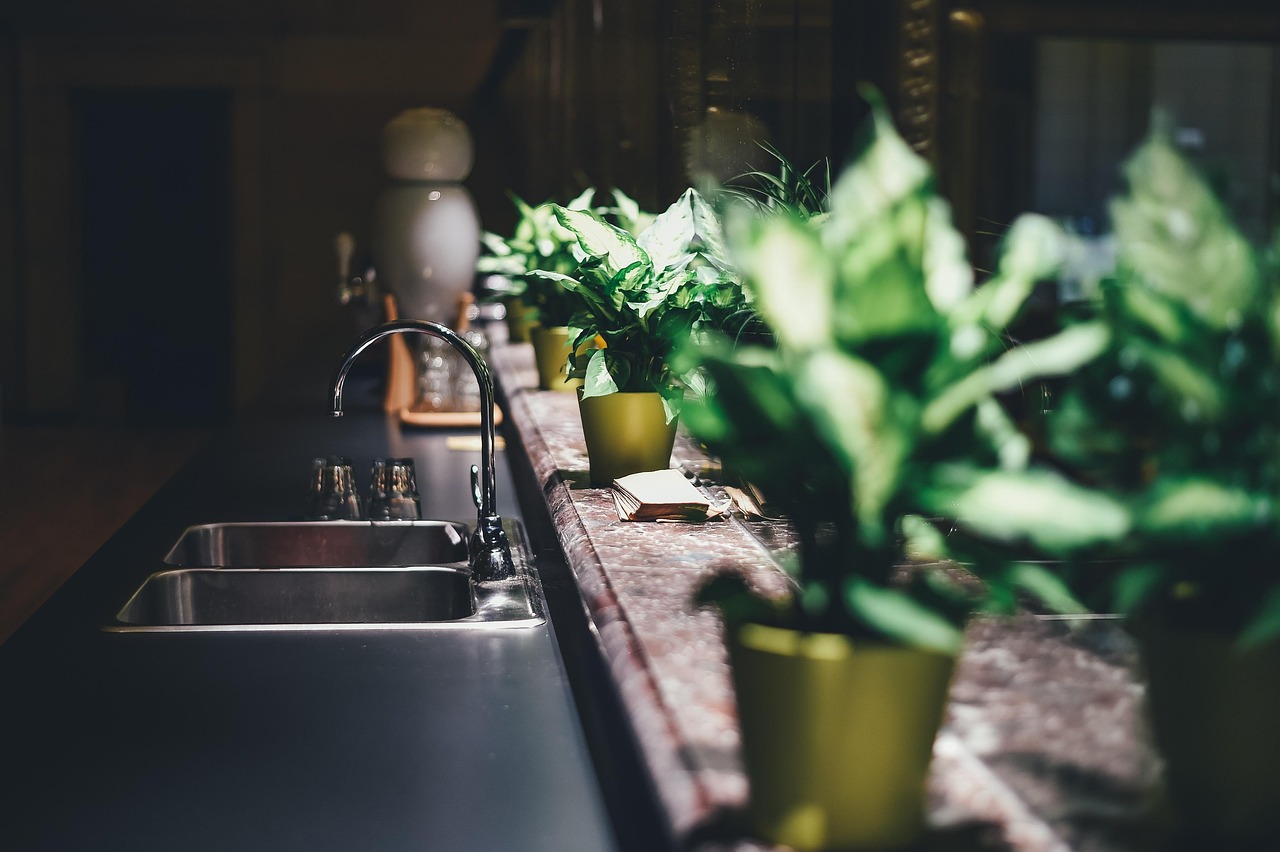
Stainless steel is the backbone of the modern kitchen, but it is notorious for showing mineral spots and streaks. Most "stainless cleaners" are oil-based polishes that simply hide the spots under a layer of oil—which then attracts more dust and grease. Cleaning with DI water removes the minerals themselves, leaving the steel with a natural, mirror-like finish that stays clean longer.
Glassware and Cutlery Perfection
For high-end dining, a "water spot" on a wine glass or fork is a sign of poor quality. Many restaurants use expensive rinse aids or manual polishing to solve this. By using deionized water in the final rinse cycle of the dishwasher, glasses and silver come out perfectly spot-free every time, eliminating the labor cost and cross-contamination risk of hand-polishing.
- Residue-Free Surfaces: No chemical film left on food prep areas.
- Spot-Free Results: Perfect finish on glass, silver, and stainless steel.
- Scale Prevention: Eliminates mineral buildup in steam ovens and coffee machines.
- Eco-Friendly: Reduces the volume of chemicals needed for daily maintenance.
Improving Equipment Longevity
Hard water is the enemy of kitchen machinery. Steam tables, ice machines, and espresso makers often fail prematurely due to scale buildup. Integrating DI water into the maintenance routine or as a feed source for these machines dramatically reduces maintenance costs and downtime.