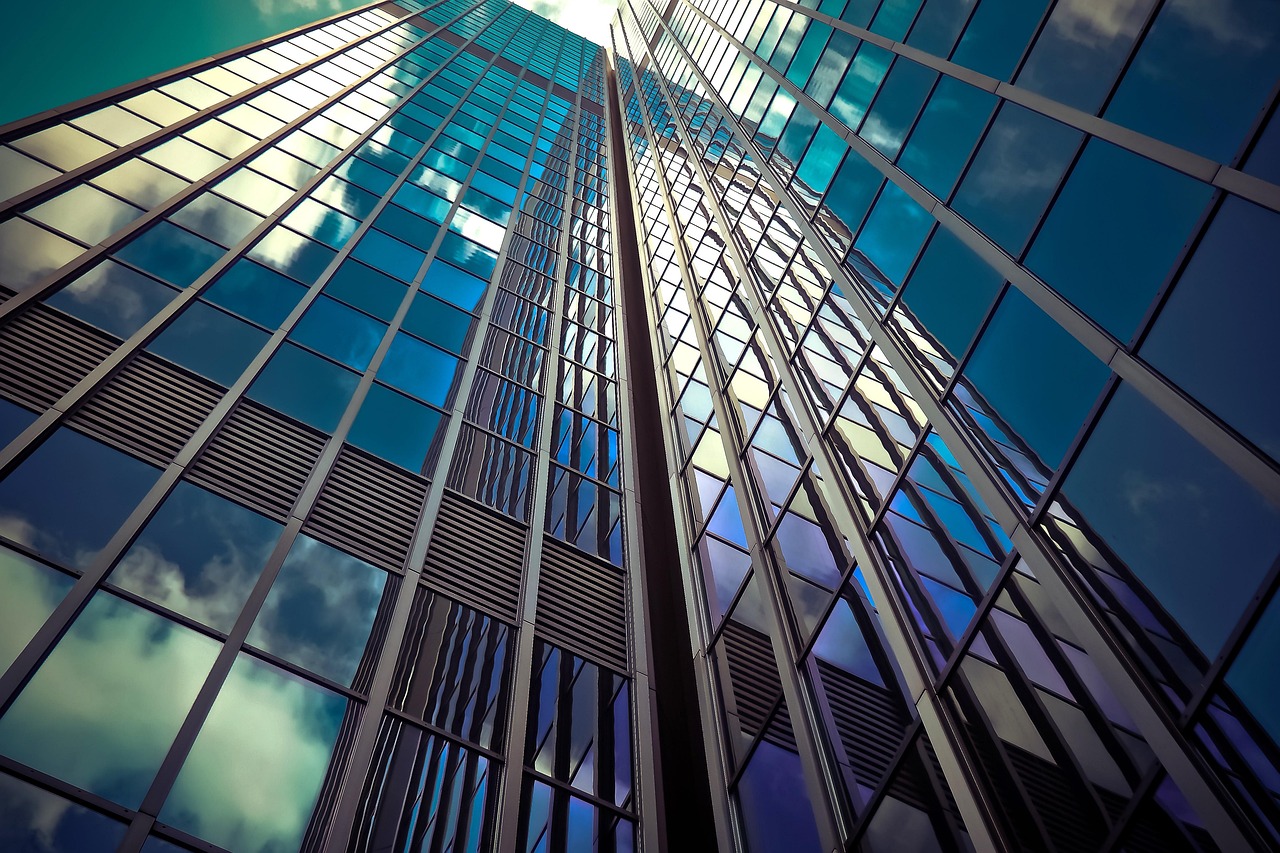
Professional Building Care
Facade & Architectural Surface Cleaning
The spot-free solution for glass curtain walls, composite panels, and architectural masonry.
The spot-free solution for glass curtain walls, composite panels, and architectural masonry.
Modern building exteriors often feature a combination of high-performance glass, architectural metal panels, and decorative stone. When these surfaces are cleaned with standard municipal tap water, they often dry with a visible mineral haze or white spots.
This "purity gap" is caused by dissolved solids in the water — calcium, magnesium, and silica. Over time, these minerals can bond to the surface, especially on glass and anodized aluminum, leading to permanent staining and expensive restoration needs.
Deionized water delivers a level of cleanliness that traditional detergent-based methods cannot match, particularly for large-scale building exteriors.
Pure, deionized water is an aggressive solvent. Because it has been stripped of its own mineral content, it actively seeks out and absorbs dirt, pollutants, and environmental buildup. When used with a water-fed pole or facade access system, it breaks the bond between contaminants and the building surface without the need for surfactants.
The result is a surface that is truly clean, with no chemical residue left behind to attract new dust and pollen. This means buildings stay cleaner for longer periods between maintenance cycles.
Learn How Pure Water Cleans →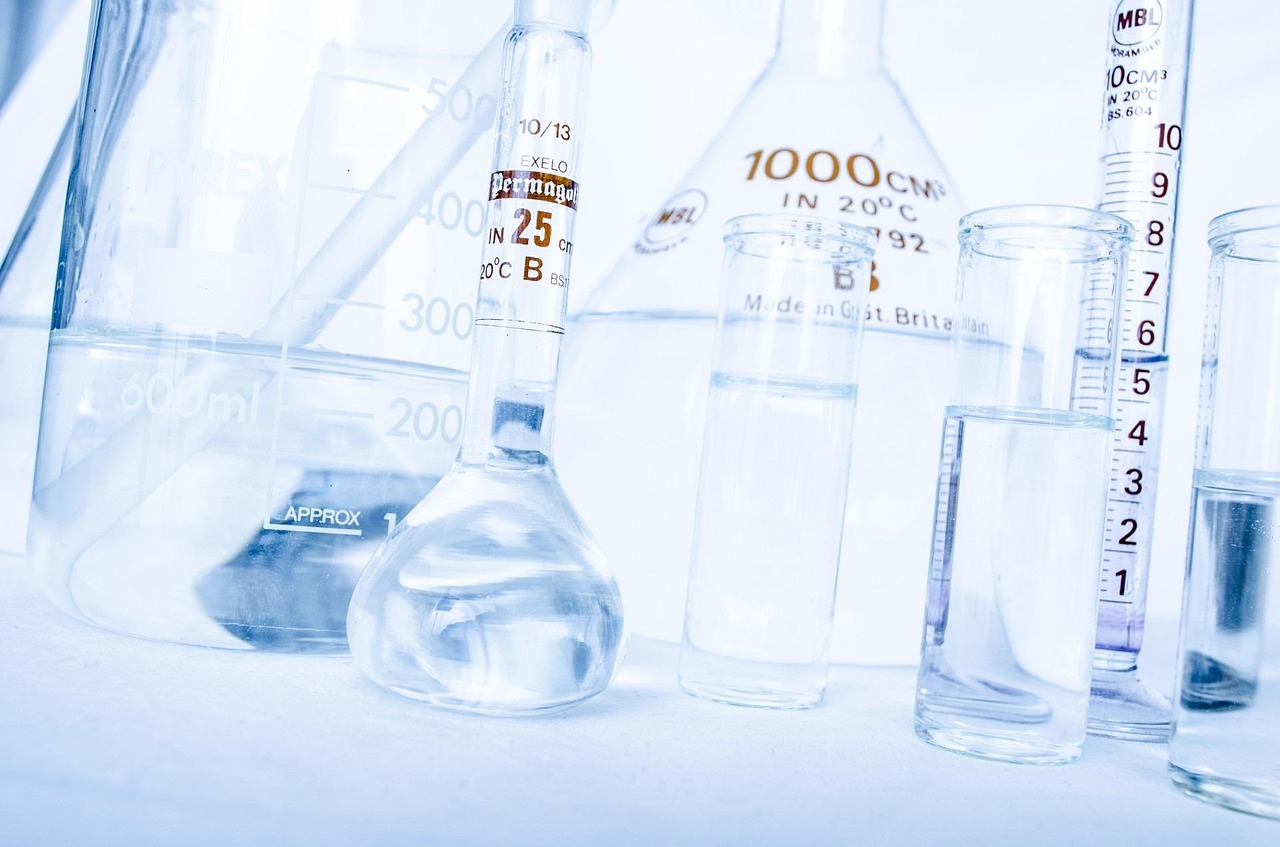
Yes, deionized water is the preferred choice for historic conservation. Unlike tap water, it contains no minerals that could cause efflorescence (white salt deposits) or react with the stone's natural chemistry.
For standard maintenance and environmental dust, DI water alone is highly effective. If dealing with heavy grease or biological growth, DI water serves as the perfect final rinse to ensure no chemical residue or mineral spots remain.
It is perfectly safe for modern EPDM, silicone, and rubber gaskets. Since it contains no harsh detergents or alcohols, it won't dry out or degrade the seals over time.