The Silent Destroyer: How Water Damages Glass
Most people view glass as a solid, impenetrable barrier. However, on a molecular level, glass is actually quite porous and chemically active. When you rinse a window with ordinary tap water and let it dry, you aren't just leaving behind a cosmetic spot—you might be starting a chemical reaction that will permanently ruin the glass.
Hard water contains high concentrations of dissolved minerals, primarily calcium, magnesium, and silica. While these are harmless in a glass of drinking water, they are incredibly destructive to architectural and automotive glass. When hard water evaporates, it leaves these minerals behind. But the story doesn't end there.
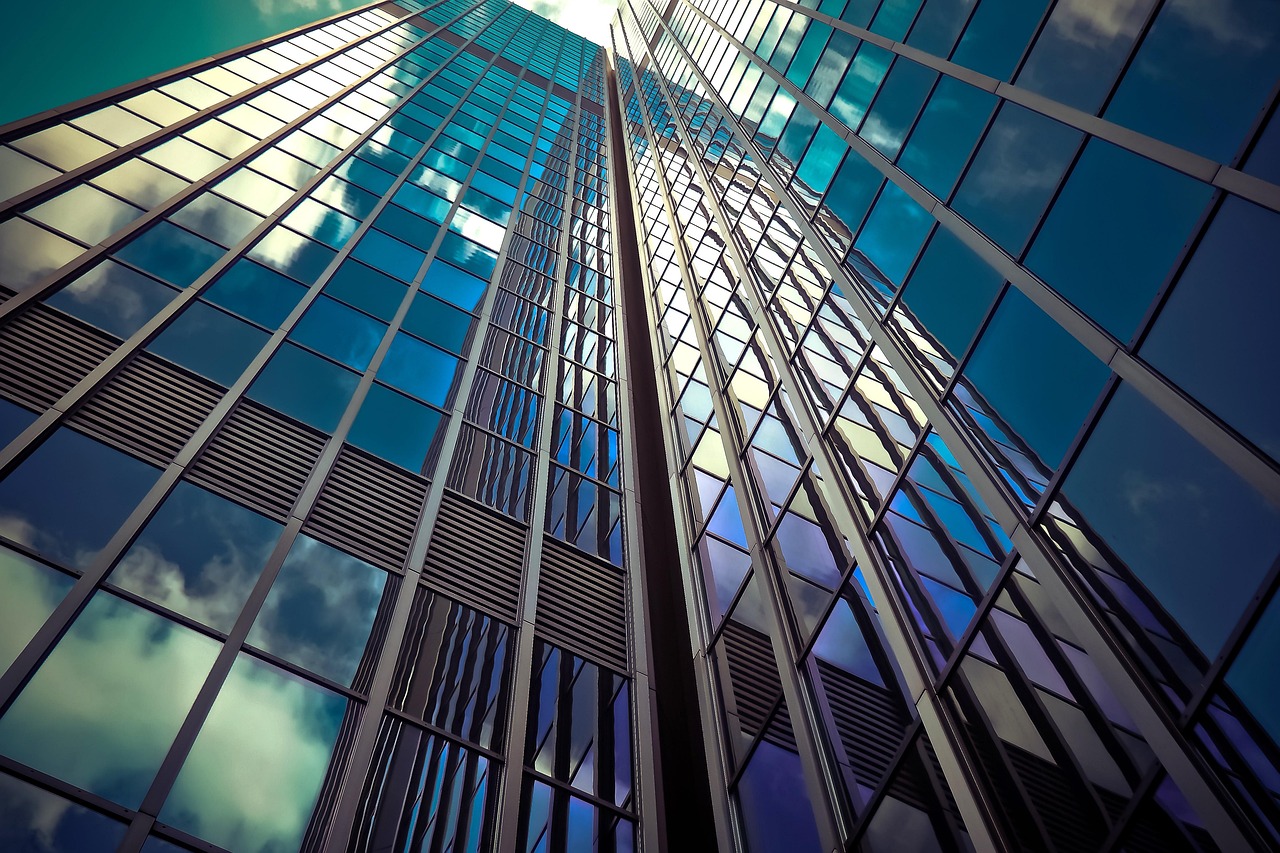
Stage 1 Damage: Mineral Deposits
Stage 1 damage is the first phase of hard water staining. This is characterized by the white "polka dots" or streaks often seen on windows near sprinklers or on shower doors. At this stage, the minerals are sitting on top of the glass surface. They are physically bonded to the glass, but the glass itself hasn't been structurally altered yet.
Removing Stage 1 spots usually requires more than just soap and water. Because minerals like calcium carbonate are alkaline, they often require an acidic cleaner to dissolve the bond. Professional window cleaners use specialized acids or mild abrasives to "reset" the glass to its original state. However, if Stage 1 spots are left untreated, they quickly progress to something much worse.
Stage 2 Damage: Permanent Etching
Stage 2 damage, or "etching," is the point of no return. This occurs when the minerals have sat on the glass for an extended period, often accelerated by heat and sunlight. The alkaline minerals undergo a chemical reaction with the glass itself, essentially "eating" into the surface and creating microscopic pits and valleys.
Once etching has occurred, the glass is physically changed. You can no longer just "wash off" the damage because there is no longer a smooth surface to wash. Stage 2 etching looks like a hazy, white film that won't go away even after thorough cleaning. At this point, the only solution is professional glass restoration involving heavy polishing with cerium oxide or, in many cases, complete replacement of the glass.
The Role of Sunlight and Heat
Sunlight is the catalyst that turns a minor nuisance into a permanent disaster. When hard water droplets sit on glass in direct sun, the water evaporates rapidly, leaving a highly concentrated mineral solution behind. The heat from the sun acts as a catalyst, speeding up the chemical bonding process between the minerals and the glass. This is why south-facing windows or car windows parked in the sun are often the most severely etched.
Why Acid is Often Necessary
For Stage 1 deposits, standard window cleaning solutions are almost useless. To break down the mineral bonds, you need a chemical that can lower the pH. Commercial hard water removers typically contain acids like phosphoric, sulfamic, or even hydrofluoric acid (though the latter is extremely dangerous and rarely used by professionals anymore). These acids dissolve the mineral "crust," allowing it to be rinsed away. However, using these chemicals is labor-intensive, requires strict safety protocols, and can damage surrounding frames if not handled correctly.
The Prevention Strategy: Deionized Water
The best way to deal with hard water etching is to ensure it never starts. This is where Deionized (DI) Water becomes an essential tool for any professional or homeowner concerned about glass longevity. By removing the minerals before the water ever touches the glass, you eliminate the source of the damage.
When you rinse with 0 TDS (Total Dissolved Solids) deionized water, there is literally nothing left behind to bond with the glass or cause a chemical reaction. The glass stays perfectly smooth, meaning it's easier to clean in the future and maintains its structural integrity indefinitely.
- No Mineral Residue: 0 TDS water evaporates to leave nothing behind.
- Stop the Cycle: Eliminates the need for harsh acidic cleaners.
- Save Money: Prevention is significantly cheaper than glass restoration or replacement.
- Protect Your Asset: Maintains the clarity and value of your windows and vehicles.
Conclusion: Protect Your Glass
Hard water etching is a progressive problem. What starts as a few spots on a sunny afternoon can quickly turn into a permanent haze that ruins the clarity of your glass. By understanding the science of Stage 1 vs Stage 2 damage, you can take proactive steps to protect your property. Switching to deionized water for rinsing isn't just about getting a better shine—it's about preserving the very surface you're cleaning.
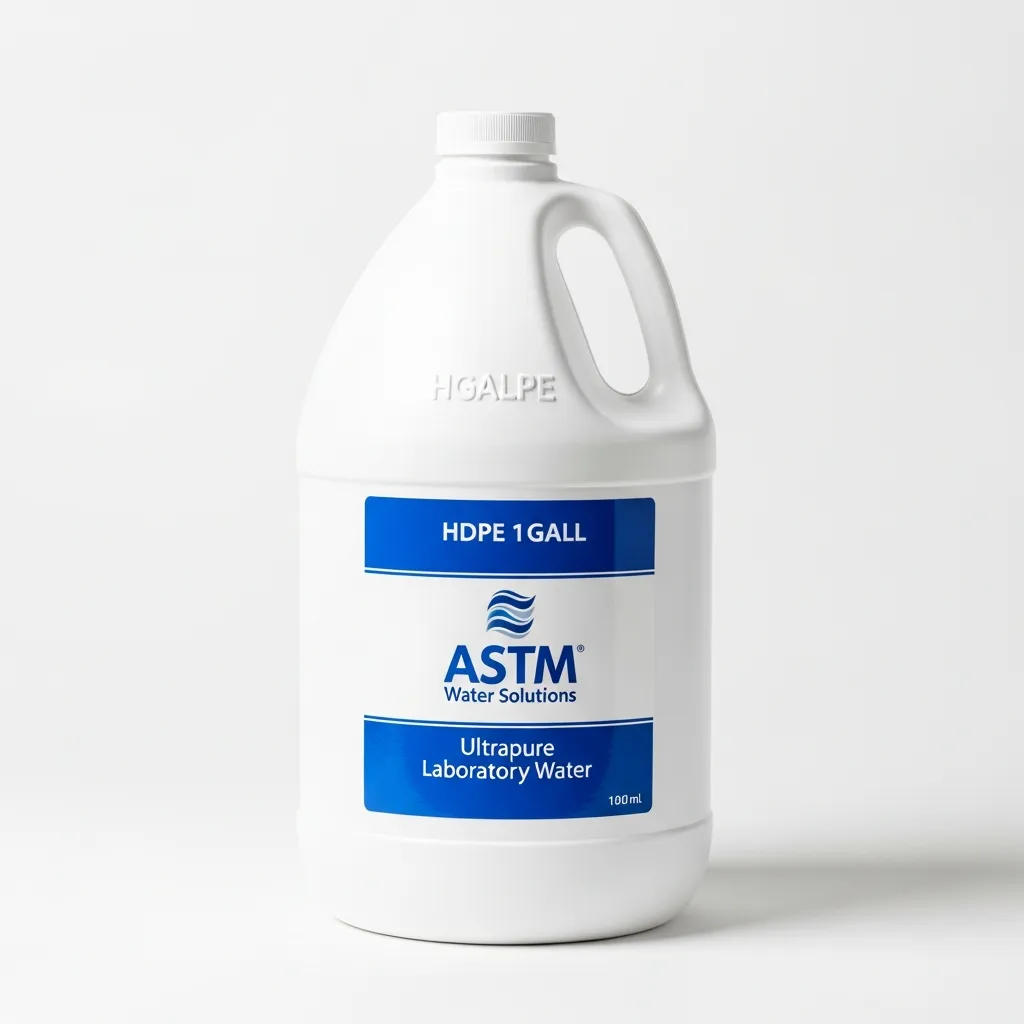
Prevent Etching with DI Water
Stop hard water damage before it starts. Use 0 TDS Deionized Water for every rinse to ensure a spot-free finish and permanent glass protection.
Shop DI Water Solutions