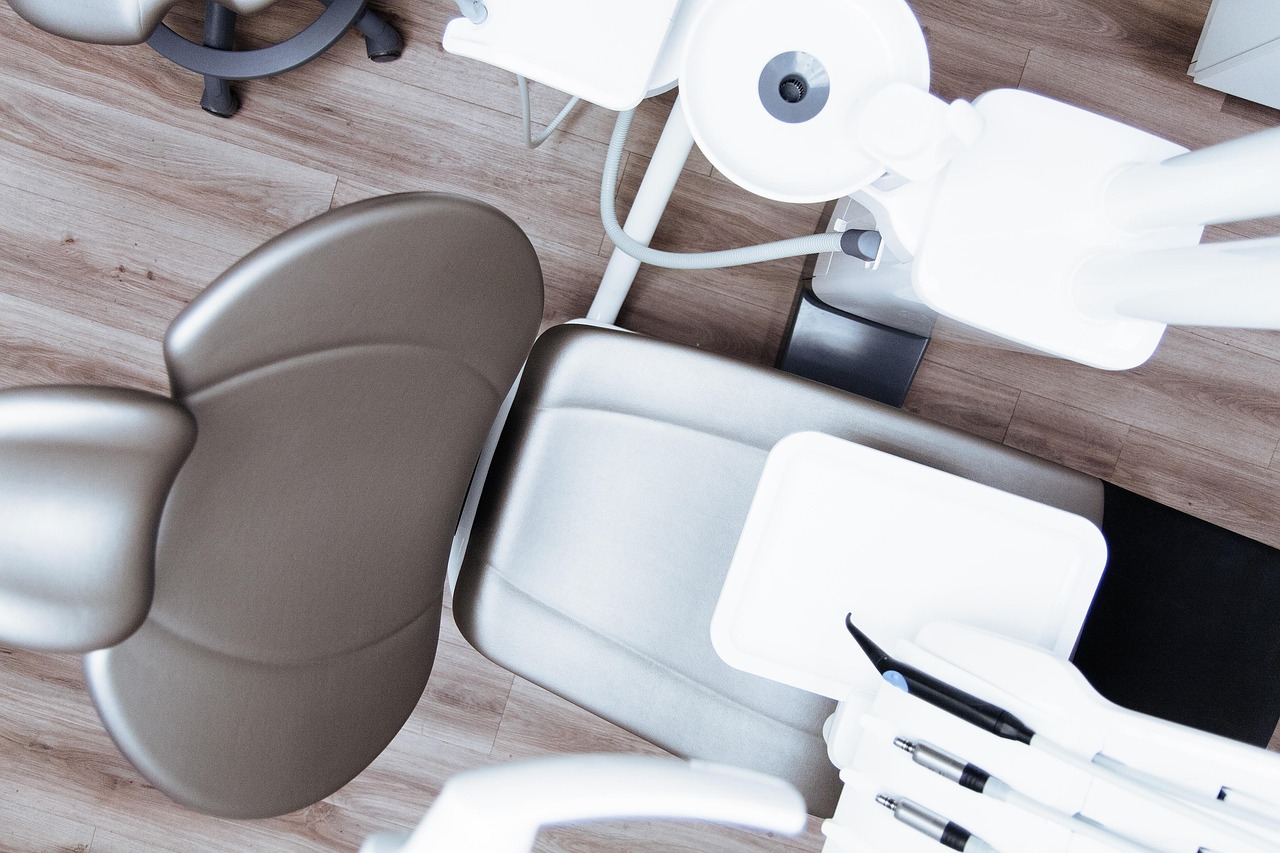
🏥 Medical-Grade Purity
In medical and dental environments, water is more than just a cleaning agent; it is a critical component of sterilization and equipment maintenance. Standard tap water contains minerals like calcium, magnesium, and chlorides that can damage expensive medical hardware and compromise the integrity of sterilization processes.
Autoclaves and steam sterilizers require high-purity water to function correctly. When mineral-heavy water is heated into steam, it leaves behind "scale" — hard mineral deposits that coat heating elements, clog valves, and build up in narrow internal tubing. This leads to:
Modern surgical and dental instruments are precision-engineered from stainless steel and specialized alloys. While these materials are durable, they are susceptible to corrosion when exposed to the chlorides and other ions found in tap water. Deionized water is used in the final rinse stage to ensure that no corrosive residues or mineral spots remain on the instruments before they are packaged or used.
Dental offices face unique challenges with waterlines. The small diameter of dental tubing makes them highly prone to mineral occlusion. Using deionized water prevents scale buildup that can reduce water pressure to handpieces and provides a clean, predictable baseline for the addition of required antimicrobial waterline treatments.
To maintain the highest standards of care and equipment maintenance, healthcare facilities should follow these water handling protocols:
Deionized water is essential for autoclaves because it lacks the minerals found in tap water. Using tap water leads to scale buildup on heating elements and within plumbing, which can cause equipment failure and compromise sterilization cycles.
While distilled water is purified, deionized water often achieves a higher level of ionic purity (lower conductivity), which is critical for sensitive medical and dental instruments to prevent any possibility of mineral spotting or galvanic corrosion.
DI water removes the chloride and other corrosive ions present in tap water. By using pure water for the final rinse and sterilization, you eliminate the chemical precursors that lead to pitting and rusting of stainless steel surgical tools.
Yes, using deionized water in dental waterlines helps prevent the accumulation of mineral scale that can clog small handpieces and provides a clean foundation for required antimicrobial treatments.
Most medical and dental applications require at least Type II deionized water, which has a resistivity of >1 MΩ-cm, though critical lab work and high-precision cleaning often utilize Type I ultrapure water.
Ensure your equipment operates at peak performance and your instruments remain pristine. We recommend ASTM Type I ultrapure water for high-precision medical and dental cleaning tasks.
Shop Type I Ultrapure Water →