Why Purity Matters for Instruments
Musical instruments are precision tools, often constructed from delicate materials like aged tonewoods, specialized alloys, and sensitive lacquers. Traditional cleaning methods often involve tap water or chemical polishes, both of which can pose long-term risks to an instrument's integrity.
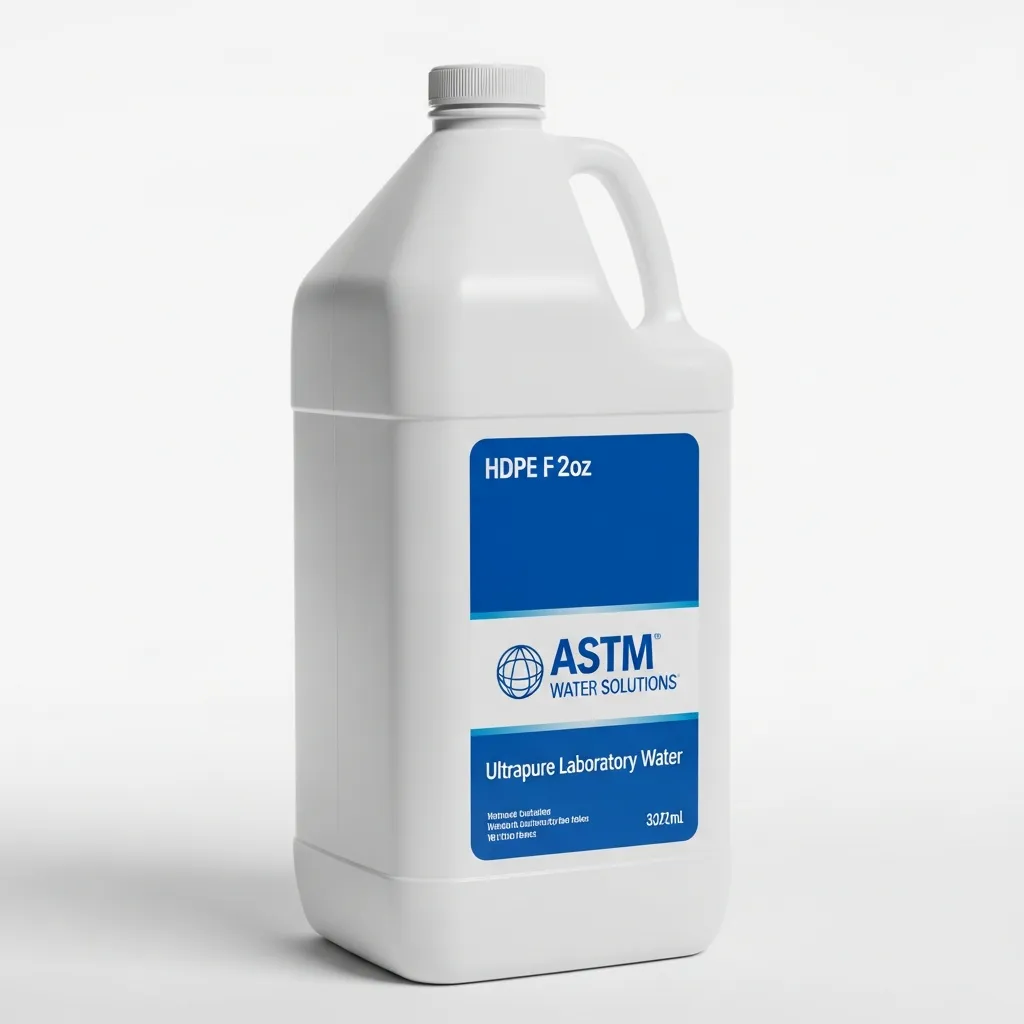
Deionized (DI) Water offers a superior alternative. By removing all dissolved minerals, ions, and impurities, DI water becomes a safe, non-abrasive, and residue-free cleaning agent that professionals trust for high-value instruments.
Benefits for String Instruments
Violins, cellos, and guitars often feature "open" finishes like spirit varnish or nitrocellulose lacquer. Tap water contains chlorine and minerals that can penetrate these finishes or leave behind white "haze" spots. DI water effectively removes finger oils and rosin dust without leaving any trace of its own, preserving the wood's resonance and appearance.
Care for Brass and Woodwinds
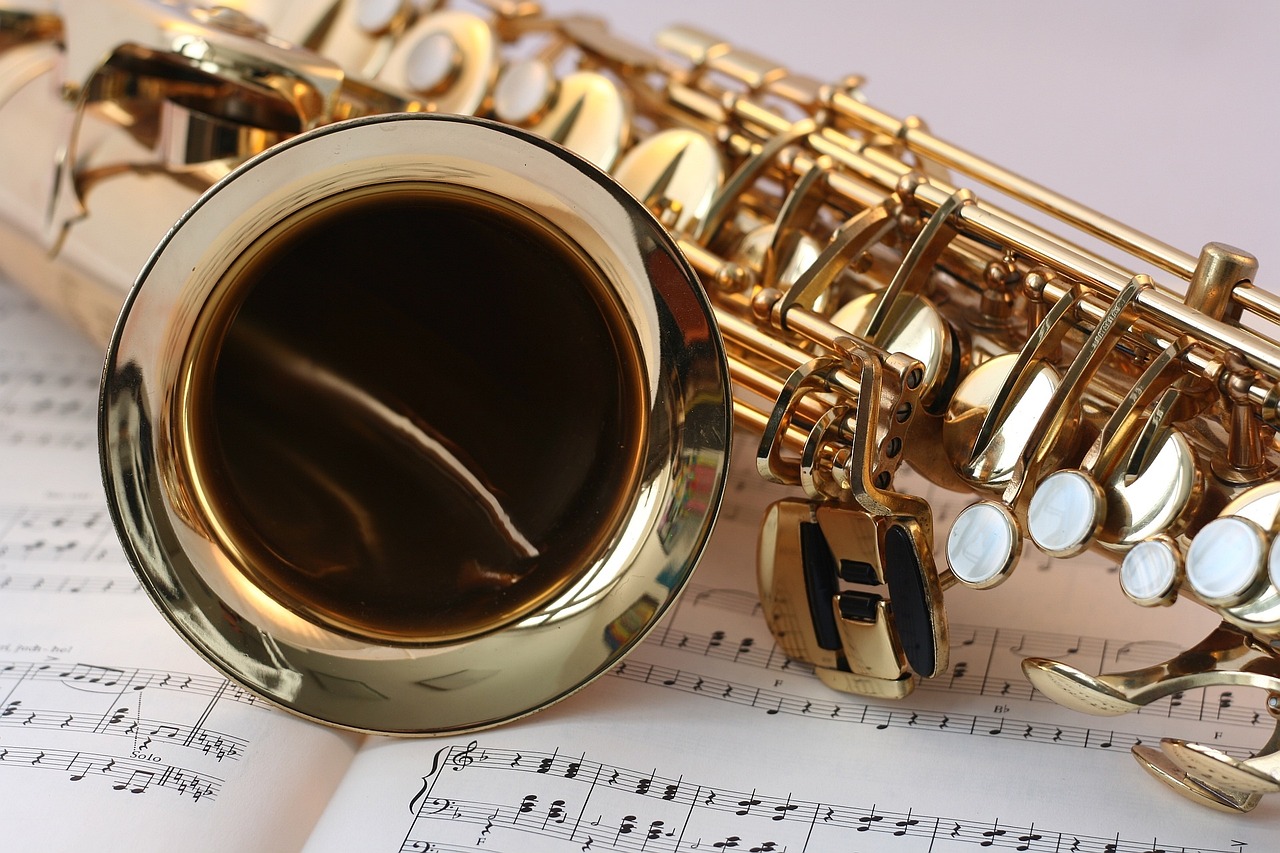
Brass instruments are prone to internal mineral buildup (often called "lime" or "scale") from saliva and tap water flushing. Using deionized water for periodic flushes prevents this buildup, ensuring valves and slides move smoothly. For woodwinds, DI water is ideal for cleaning mouthpieces and keys where mineral deposits could interfere with the seal of the pads.
- Residue-Free: Leaves no mineral spots or "white dust" on dark finishes.
- Non-Reactive: Safe for gold, silver, nickel, and brass plating.
- Humidification: Ideal for use in instrument humidifiers to prevent internal mineral crusting.
- Chemical-Free: Removes contaminants without the need for harsh surfactants.
Piano Maintenance
The high-gloss polyester or traditional lacquer finishes on pianos are notorious for showing streaks and fingerprints. A microfiber cloth dampened with deionized water is the industry-standard method for achieving a "factory-fresh" shine without the greasy buildup associated with furniture polishes.