The Physics of Ultrasonic Cleaning
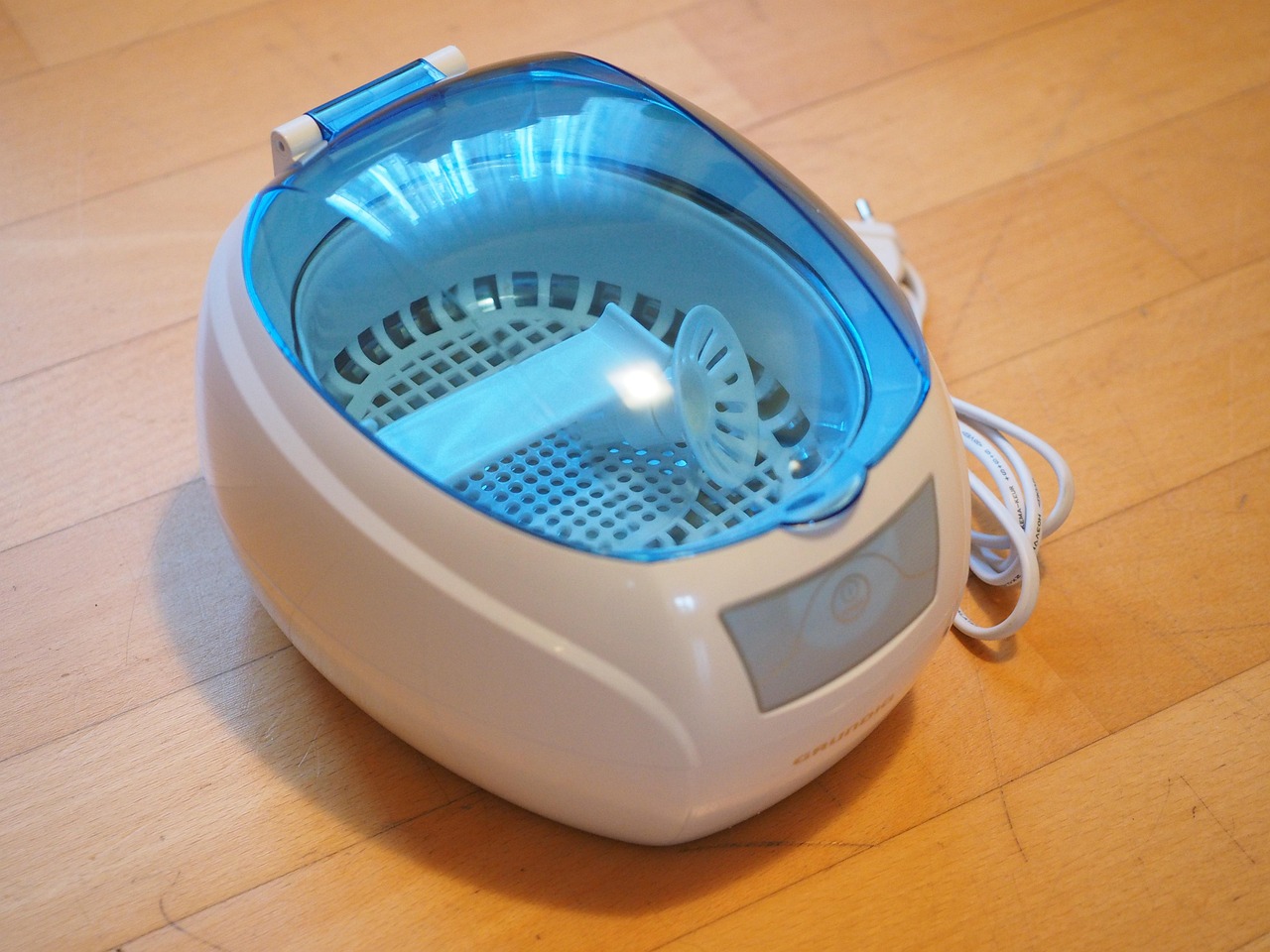
Ultrasonic cleaning is a process that relies on the phenomenon of cavitation. When high-frequency sound waves (usually between 20 kHz and 80 kHz) are passed through a liquid, they create alternating high-pressure and low-pressure cycles. During the low-pressure cycle, millions of microscopic vacuum bubbles form. During the high-pressure cycle, these bubbles collapse—or implode—releasing a massive amount of energy. This implosion, happening thousands of times per second, creates a "scrubbing" action that can reach deep into the most complex geometries.
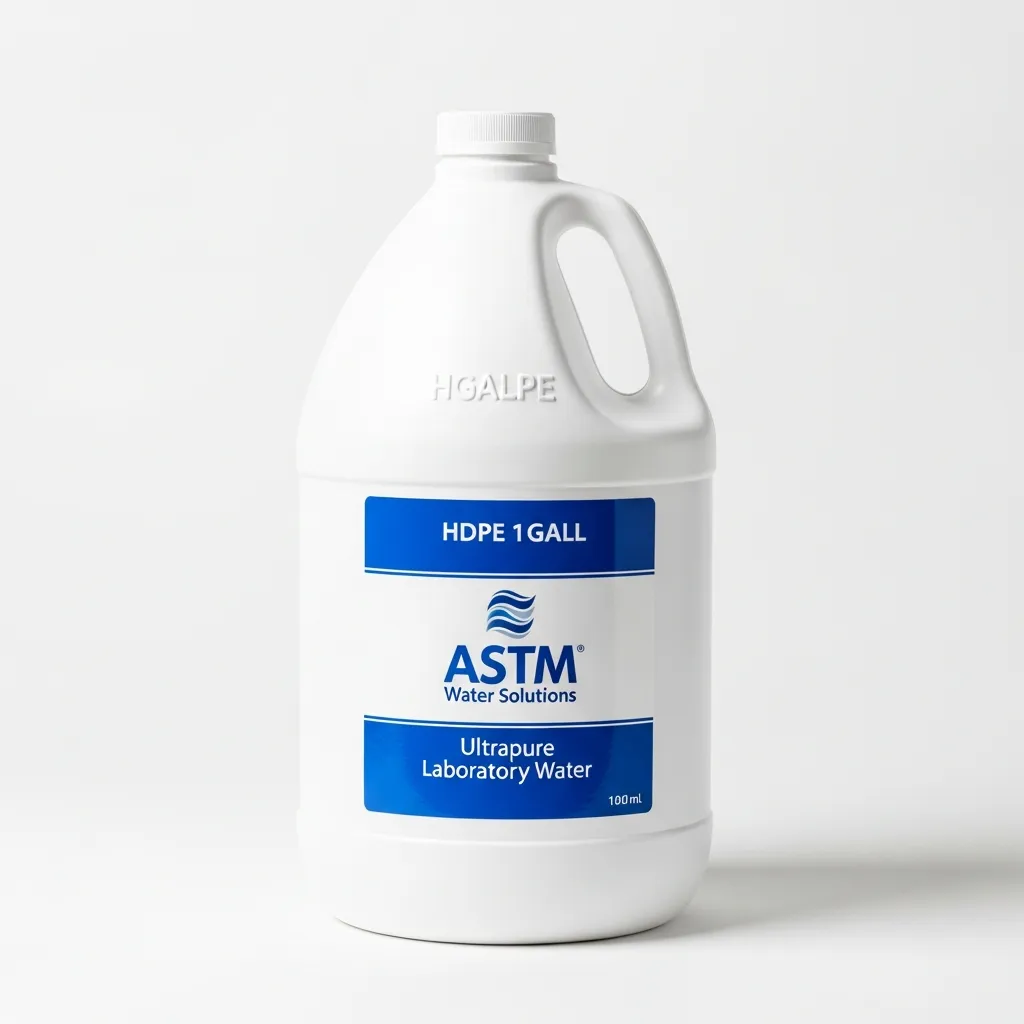
However, the physics of cavitation is not independent of the medium in which it occurs. The purity of the water in your ultrasonic tank is the single most important factor in determining the strength and consistency of these cavitation events. By moving from tap water to deionized (DI) water, you are fundamentally changing the acoustic properties of the cleaning solution to favor maximum energy transfer.
Surface Tension and Bubble Nucleation
The strength of a cavitation bubble is directly related to the surface tension of the liquid. Surface tension is the "skin" of the water that the sound waves must overcome to form a bubble. Ordinary tap water has high surface tension due to the presence of dissolved minerals like calcium and magnesium. These minerals act as contaminants that interfere with the acoustic field, damping the sound waves before they can create effective cavitation.
Deionized water, having had these minerals removed, has a more uniform molecular structure. This leads to a more predictable and lower surface tension environment. In pure water, cavitation bubbles can nucleate (form) more easily and collapse with greater force. This means that for every watt of power your ultrasonic transducer puts out, more of that energy is converted into actual cleaning action rather than being lost to mineral interference.
Reaching Complex Geometries and Micro-Crevices
One of the primary advantages of ultrasonic cleaning is its ability to clean where brushes and sprays cannot—inside tiny holes, blind ports, and internal channels. This is especially critical for parts like carburetors, fuel injectors, surgical instruments, and high-precision 3D prints. In these environments, the "fluidity" of the water is paramount.
Mineral-laden water is effectively "thick" at a microscopic level. The dissolved solids can actually block the sound waves from reaching into the deepest recesses of a part. Furthermore, if a bubble does form inside a deep crevice in tap water, the resulting implosion is often weakened by the surrounding mineral particles. Pure DI water allows the acoustic energy to propagate deep into complex parts, ensuring that the cavitation effect is just as powerful on the inside of a component as it is on the outside.
Temperature and Frequency Optimization
Maximizing cavitation power also requires the optimization of temperature and frequency, both of which are affected by water purity. Most ultrasonic cleaning occurs most efficiently between 130°F and 150°F (55°C - 65°C). As water is heated, its viscosity decreases, which further lowers surface tension and enhances cavitation. However, in tap water, heating also causes minerals to precipitate out, forming scale on the transducers and the tank walls.
- Energy Transfer: Scale buildup on the transducers acts as an insulator, reducing the amount of acoustic energy that reaches the water.
- Frequency Consistency: Dissolved solids can cause the resonant frequency of the tank to shift, leading to "dead spots" where no cleaning occurs.
- Degassing Speed: Pure water degasses (removes trapped air) much faster than tap water. Trapped air in the liquid acts as a shock absorber for cavitation; if the water isn't properly degassed, the bubbles will "bounce" rather than implode.
Conclusion: The 0 TDS Advantage
For professionals who require the highest level of cleaning performance, the choice is clear. A TDS (Total Dissolved Solids) reading of 0 is the benchmark for an optimized ultrasonic tank. By using deionized water, you ensure that the cavitation effect is working at its peak theoretical efficiency. You aren't just avoiding equipment damage—you are maximizing the return on your investment in ultrasonic technology, achieving cleaner parts in less time and with higher consistency across every cycle.