Why Purity Matters in Industrial Finishing
In industrial painting, electroplating, and powder coating, the quality of the finish is 90% dependent on the quality of the preparation. Even microscopic contaminants—such as the calcium, magnesium, and chlorine found in tap water—can compromise the chemical bond between the substrate and the coating.
Using ASTM Type I Deionized Water for surface preparation and final rinsing is the most reliable way to ensure a chemically "virgin" surface, free of ions that lead to adhesion failure, corrosion, and aesthetic defects.
Preventing Flash Rust and Corrosion
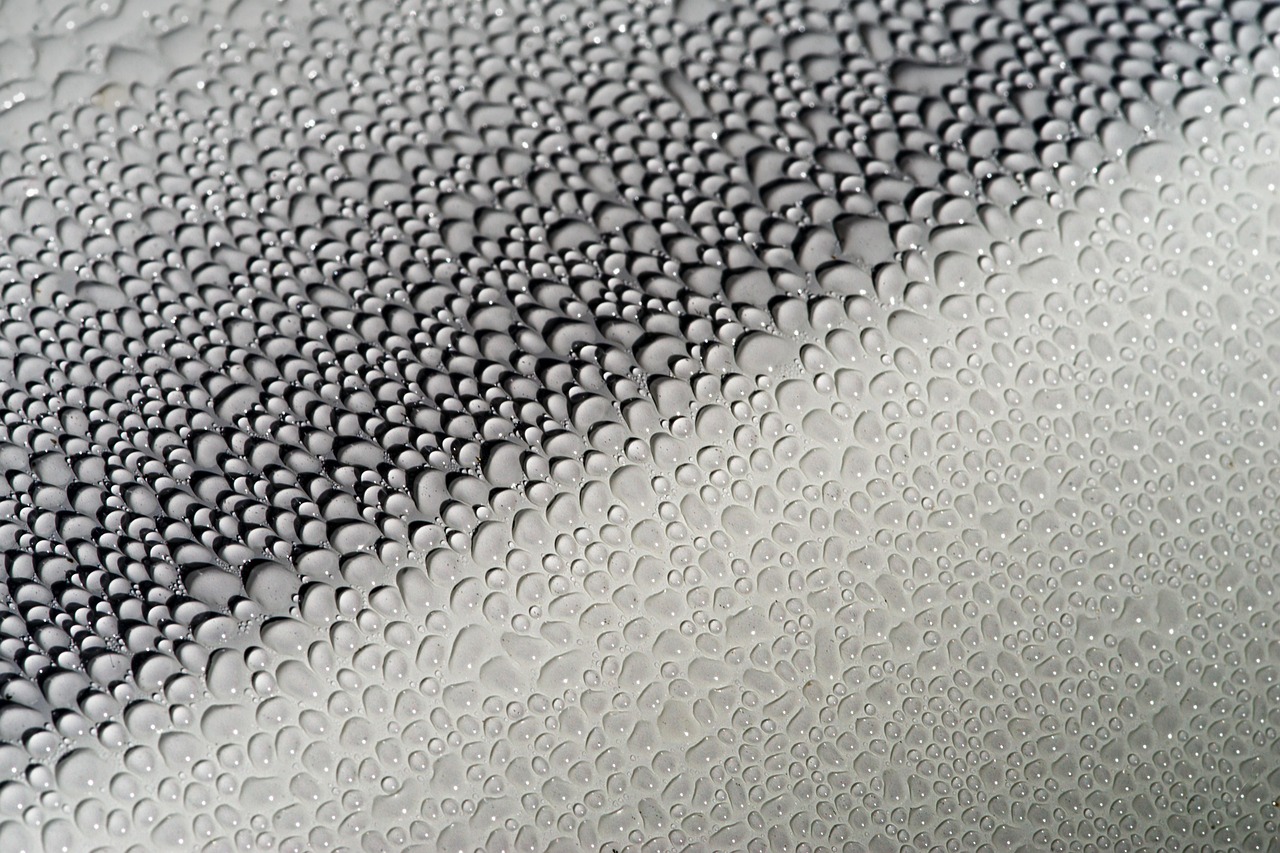
When bare metal is rinsed with tap water, the dissolved minerals act as electrolytes, accelerating the oxidation process known as "flash rust." Because deionized water has these minerals removed, the rate of oxidation is significantly reduced, providing a longer window for the coating application.
More importantly, tap water minerals trapped under a coating can lead to "osmotic blistering." These minerals attract moisture through the coating, creating pressure and localized corrosion that eventually causes the paint to peel or bubble.
Electroplating and Chemical Bath Integrity
In electroplating and anodizing, the chemistry of the bath must be precisely controlled. Using tap water to dilute chemicals or rinse parts introduces unknown variables. Trace minerals can interfere with the electrochemical deposition, leading to uneven plating thickness, dull finishes, or poor conductive properties.
- Maximum Adhesion: Eliminates the mineral layer that prevents chemical bonding.
- Zero Residue: Final DI rinse leaves nothing behind to compromise the coating.
- Process Control: Eliminates variables in chemical bath concentration.
- Extended Bath Life: Using ultra-pure water reduces the accumulation of contaminants in process tanks.
The Final Rinse Protocol
The most critical application of DI water in the coating shop is the final rinse. After the substrate has been degreased and etched, a final cascade or spray rinse with ultra-pure deionized water flushes away all residual cleaning agents and tap water ions. This ensures that the first thing the primer or plating solution touches is the substrate itself, not a layer of contamination.