The Precision Challenge of PCB Cleaning
In the world of electronics manufacturing and repair, cleanliness isn't just about appearance—it's about survival. Printed Circuit Boards (PCBs) are dense landscapes of microscopic traces, delicate solder joints, and sensitive components. Any contaminant left on the board can lead to catastrophic failure. While many solvents exist for removing flux and oils, the final stage of the cleaning process is where most errors occur. Using tap water, or even low-grade filtered water, can introduce a host of new problems that are often harder to solve than the original dirt.
Professional electronics cleaning requires a residue-free finish. This means that after the cleaning agent has done its job and the board has dried, there must be zero microscopic solids left behind. Achieving this level of purity is only possible with high-grade deionized (DI) water.
The Danger of Mineral Residue
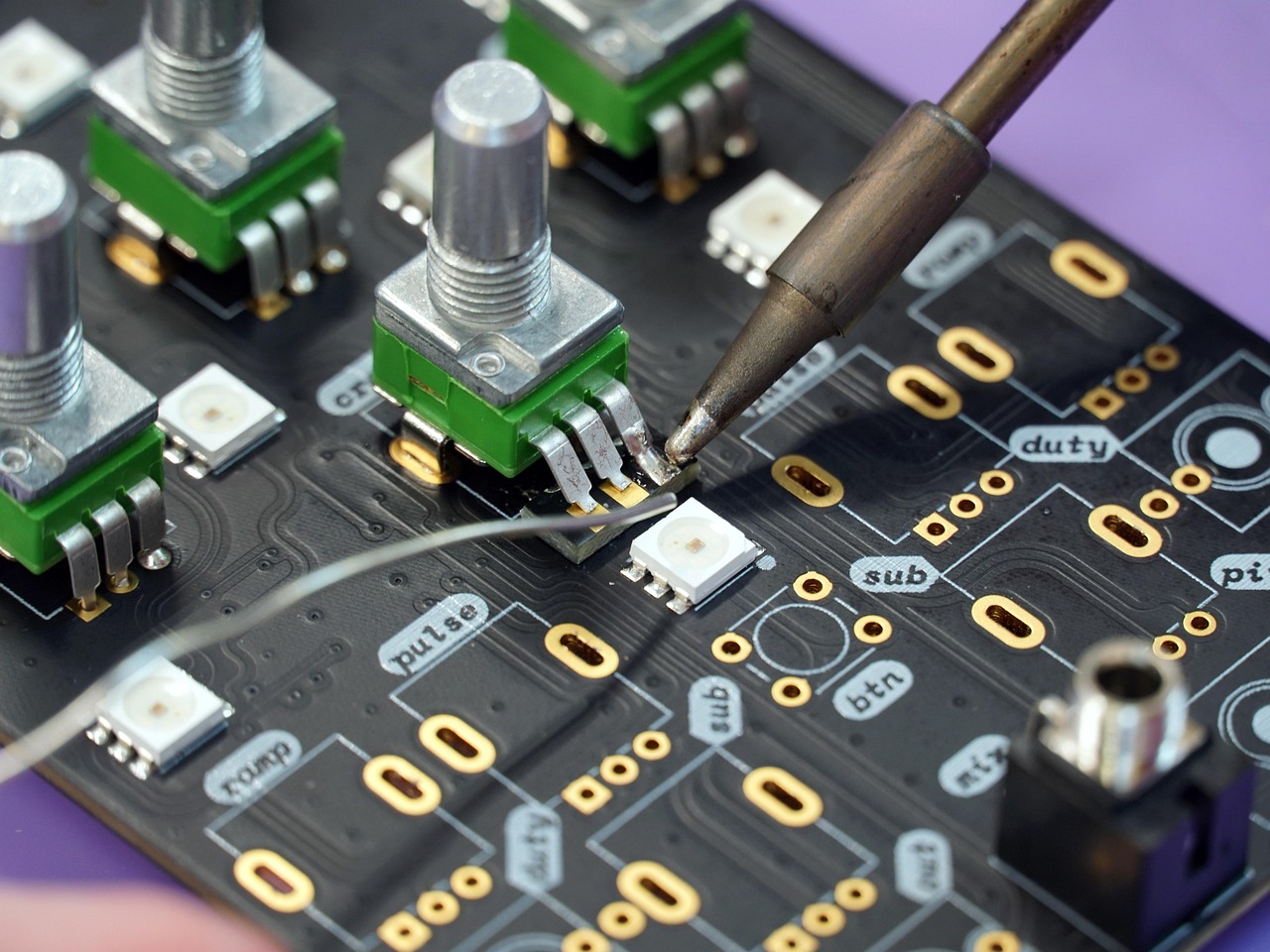
Ordinary tap water contains dissolved minerals like calcium, magnesium, and sodium. When this water evaporates from a PCB, these minerals stay behind, forming a thin, white, chalky film. In the electronics industry, this is often referred to as "white residue." This residue is not just an aesthetic flaw; it is a functional threat for several reasons:
- Electrical Conductivity: Many mineral residues are conductive. On a dense PCB with traces only microns apart, a microscopic bridge of mineral solids can cause leakage currents, signal interference, or even direct short circuits.
- Hygroscopy: Mineral salts are often hygroscopic, meaning they attract moisture from the air. This moisture can lead to localized corrosion of solder joints and copper traces, causing the board to fail weeks or months after it was "cleaned."
- Dendritic Growth: The presence of ionic contaminants and moisture can trigger dendritic growth—microscopic metallic "whiskers" that grow between electrical contacts, leading to intermittent failures and permanent damage.
DI Water's Non-Conductive Properties
One of the primary reasons deionized water is used in electronics is its insulating property. Pure water (18.2 megohm-cm resistance) is actually a very poor conductor of electricity. By removing the ions (minerals) that allow water to conduct, DI water becomes safe for rinsing sensitive components. While boards should still be fully dried before power-up, using DI water significantly reduces the risk of accidental damage during the cleaning process and ensures that no conductive pathways are left behind after drying.
The PCB Cleaning Methodology
Professional PCB cleaning generally follows a multi-stage process where deionized water plays the starring role in the final stages:
- Solvent Wash: A specialized PCB cleaner or high-purity Isopropyl Alcohol (IPA) is used to dissolve flux residues, oils, and greases.
- DI Water Rinse: The board is thoroughly rinsed with deionized water. Because DI water is "hungry" (stripped of its own minerals), it is an incredibly effective solvent for picking up and washing away the remaining cleaning chemistry and loosened contaminants.
- Final High-Purity Rinse: A final spray of fresh, 0-TDS DI water ensures that any water remaining on the board is pure.
- Controlled Drying: Boards are dried using ionized air knives, ovens, or vacuum chambers to ensure all moisture is removed from under components (like BGA chips) before the mineral-free water can attract any environmental dust.
Industry Standards for Electronics Cleaning
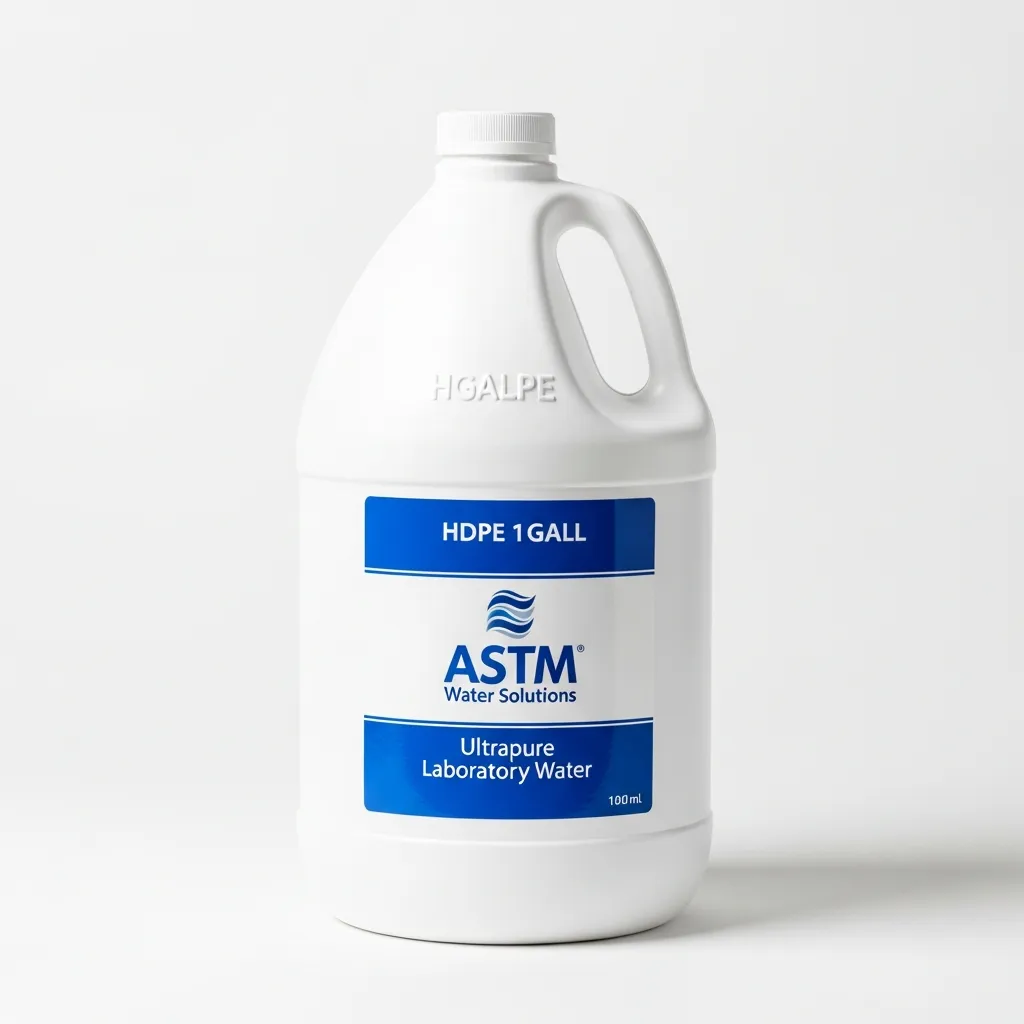
Organizations like IPC (Association Connecting Electronics Industries) set strict standards for ionic cleanliness on circuit boards. Reaching these standards (such as IPC-CH-65B) is virtually impossible without a consistent supply of high-purity deionized water. Most professional electronics labs utilize ASTM D1193 Type I or Type II water to ensure they meet the rigorous demands of aerospace, medical, and telecommunications customers.
Why Filtered Water is Not Enough
Many hobbyists and low-volume repair shops attempt to use "filtered" water or "bottled" water. While these are cleaner than tap water, they still contain significant amounts of dissolved solids (often 10-50 ppm). For a PCB with high-frequency signals or high-voltage components, even 10 ppm of residue is 10 ppm too much. Only deionization, which targets the ions themselves, can guarantee the 0-TDS purity required for professional-grade electronics work.
- Zero Trace Minerals: No white film or chalky residue after drying.
- Maximum Reliability: Prevents long-term corrosion and dendritic growth.
- Chemically Pure: Won't react with sensitive component packaging or solder masks.
- Standard Compliant: Meet IPC and ISO requirements for ionic cleanliness.