The Quest for Perpetual Brilliance
In the high-stakes world of professional jewelry, presentation is everything. A diamond's value is defined by how it handles light, and even a microscopic layer of contaminant can dampen its fire. While many enthusiasts use ultrasonic cleaners and steam cleaners at home, they often miss the final, most critical step that separates a "clean" piece from a "showroom" piece: the Deionized (DI) Water Final Rinse.
Professional jewelers know that tap water is the enemy of a perfect finish. As water evaporates from the complex facets of a diamond or the smooth surface of high-polish gold, the dissolved minerals stay behind. These minerals create a dulling film that acts like a veil over the jewelry's natural beauty.
Why Tap Water Leaves Your Jewelry Dull
Ordinary tap water contains calcium, magnesium, and other dissolved solids. In jewelry cleaning, this leads to two major problems:
- Mineral Film: As water dries, it leaves behind a microscopic white residue. On high-polish metals like platinum or 18k gold, this manifests as a cloudy, hazy appearance that no amount of buffing can fully fix if the minerals are still present.
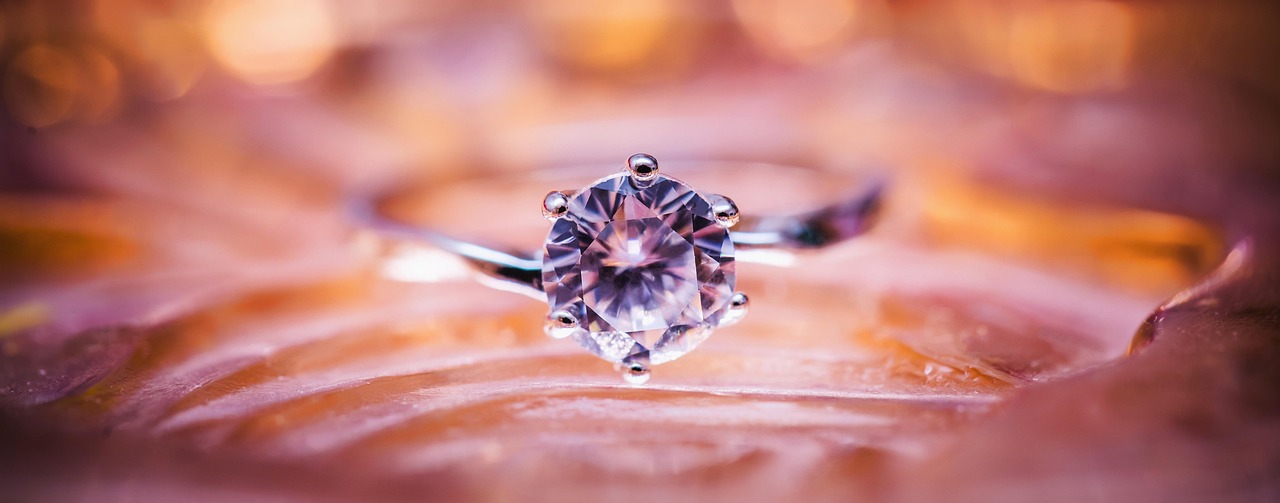
- Facial Obstruction: For gemstones, especially diamonds, light must enter the stone, reflect off the internal facets, and exit back to the eye. Mineral deposits on the surface scatter this light, reducing the "sparkle" and making the stone look smaller or of lower quality than it truly is.
The Professional Technique: The DI Final Rinse
The secret technique used by high-end jewelry houses involves a multi-stage process where deionized water is the hero of the final act. Here is how the pros do it:
- Deep Clean: The piece is placed in an ultrasonic cleaner with a specialized jewelry detergent and heated deionized water. The cavitation bubbles reach into the tiny crevices of the settings.
- Primary Rinse: The piece is rinsed to remove the detergent and loosened dirt.
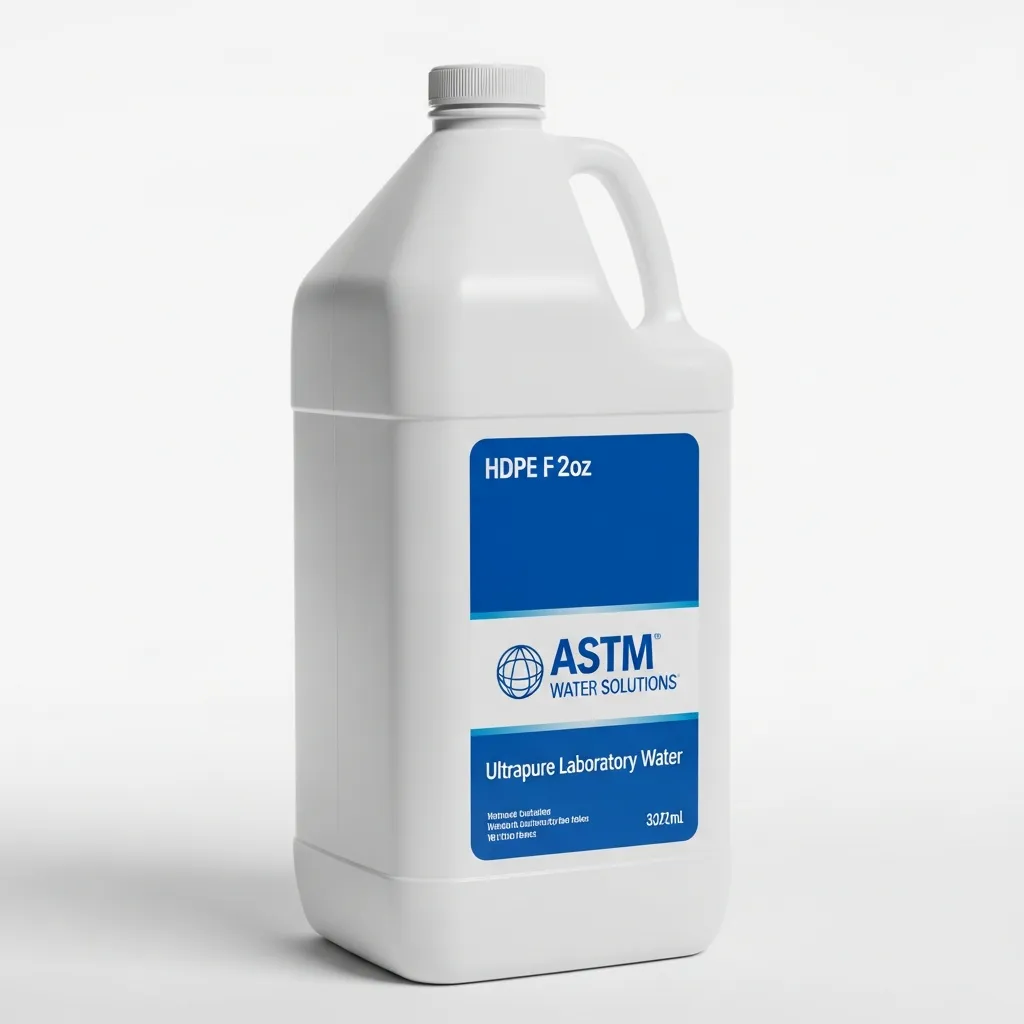
- The DI Final Rinse: This is the most important step. The jewelry is submerged or sprayed with fresh, 0-TDS deionized water. Because DI water is chemically "empty," it aggressively attracts any remaining traces of tap water or soap, carrying them away.
- Spot-Free Drying: Because the final rinse water contains zero solids, it can be allowed to air-dry or be gently dried with a lint-free microfiber cloth. There are no minerals left to form spots, resulting in a perfect, glass-like finish.
Special Considerations for Different Metals and Stones
DI water is the safest cleaning medium for almost all high-end jewelry because it is chemically neutral and non-reactive. However, the approach varies slightly by material:
Gold and Platinum
These precious metals rely on a mirror-like finish for their appeal. DI water ensures that the final surface is perfectly clean, allowing the metal's natural luster to shine through without the "greasy" look that some chemical cleaners can leave behind.
Diamonds and Hard Gemstones
Hard stones like sapphires and rubies benefit most from the DI rinse. The pure water reaches into the tiny gaps between the stone and the setting, ensuring that the pavilion (the bottom of the stone) is as clean as the table (the top), allowing for maximum light return.
Pearls and Soft Stones
Porous stones like pearls, opals, and turquoise are sensitive to chemicals. DI water is the ideal cleaning and rinsing agent for these items because it provides a thorough clean without any harsh additives that could damage the stone's delicate structure.
Beyond the Showcase: Maintenance and Care
Professional jewelry stores don't just use DI water for their displays; they use it for their workshop operations too. Steam cleaners are often filled with deionized water to prevent scale buildup inside the machine and to ensure the steam itself is pure. By implementing a DI water protocol, a jewelry business can reduce the time spent on manual polishing and ensure every piece leaves the store in its best possible condition.
- Maximum Sparkle: Eliminates the mineral film that dulls gemstones.
- Perfect Metal Luster: Ensures a streak-free, mirror-like finish on gold and platinum.
- Safe for All Stones: Chemical-free purity is safe even for delicate pearls and opals.
- Professional Standard: Achieve the same finish as the world's leading jewelry houses.