What is a Spot-Free Rinse?
A spot-free rinse is the final stage of a cleaning process where the surface is rinsed with water that has zero dissolved solids. This ensures that as the water evaporates, it leaves behind no mineral deposits, spots, or streaks. For professional window cleaners, auto detailers, and solar panel technicians, it is the difference between a "good" job and a "perfect" one.
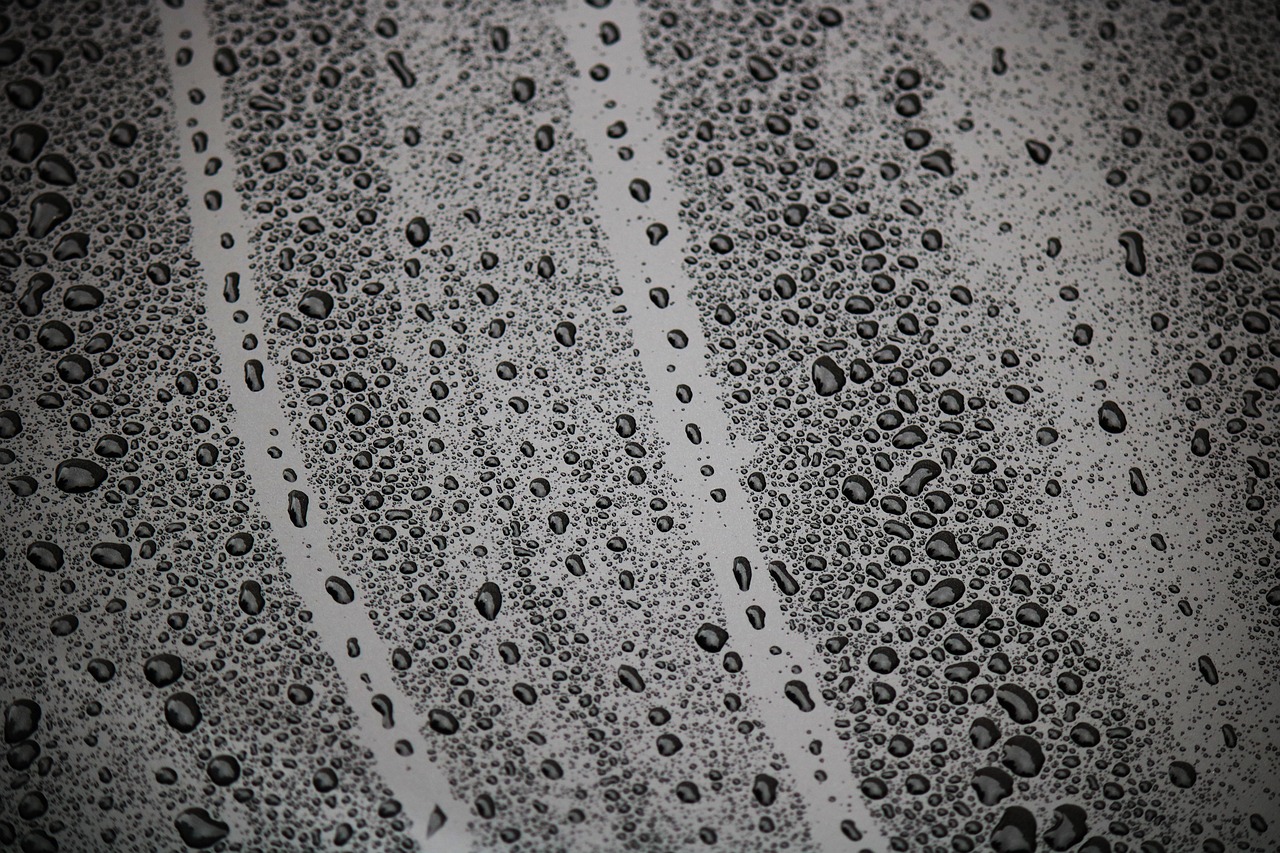
Traditional tap water contains varying levels of calcium, magnesium, and silica. These minerals don't evaporate with the water; instead, they crystallize on the surface, creating the unsightly white spots commonly known as "water spots."
The Science of Pure Water
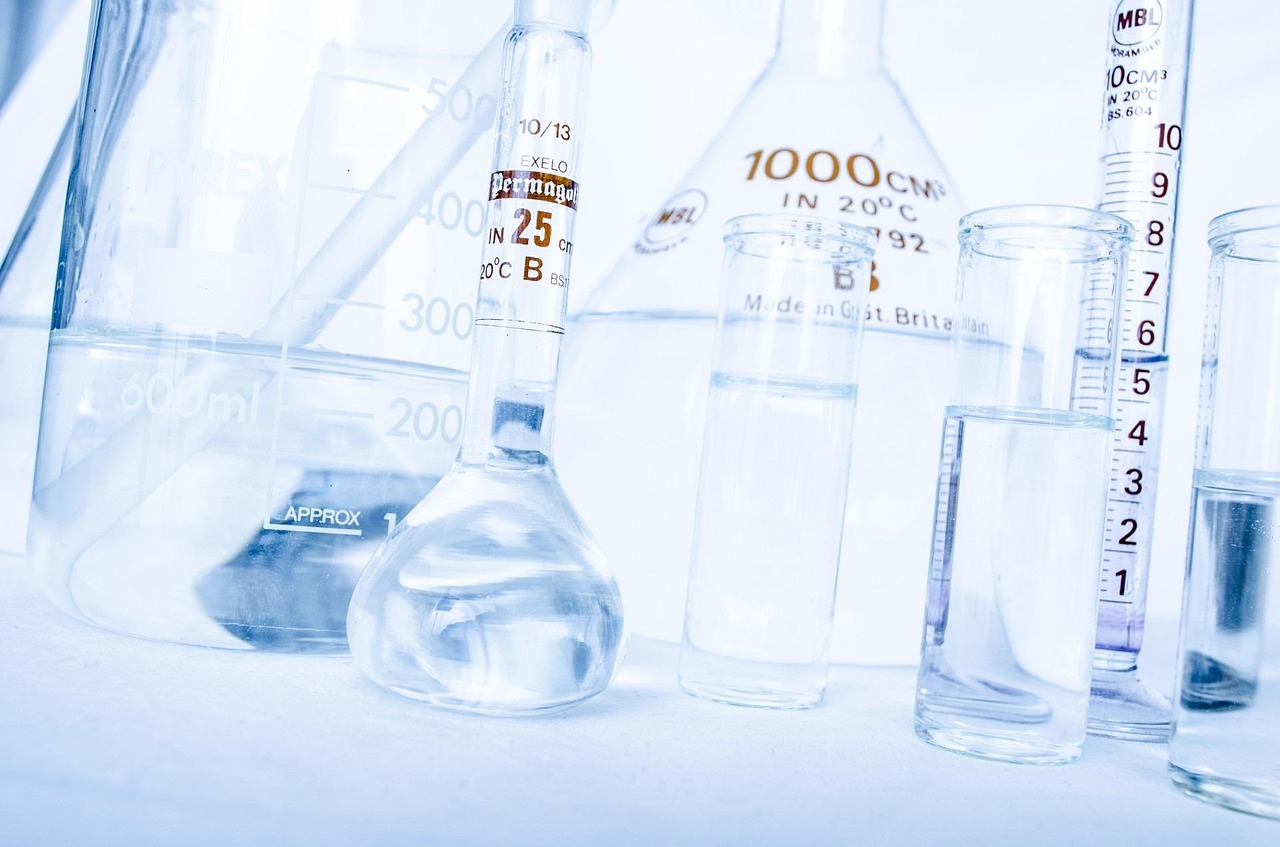
The key to a spot-free finish is Total Dissolved Solids (TDS). While tap water might have a TDS of 100 to 400+ parts per million (ppm), a true spot-free rinse requires water with a TDS of 0-10 ppm. Deionized water achieves this by using ion-exchange resins to strip away every charged mineral ion from the water.
Step-by-Step Spot-Free Technique
Achieving perfection requires more than just the right water; it requires the right process:
- Phase 1: Deep Clean: Use your primary cleaning method (brush, soap, or chemical) to break the bond between the dirt and the surface.
- Phase 2: Initial Flush: Rinse away the bulk of the loosened dirt and cleaning agents with standard water (if using a multi-stage system).
- Phase 3: The DI Rinse: Starting from the top of the surface, apply a generous flow of deionized water. Ensure you are "sheeting" the water across the entire surface to carry away any remaining tap water minerals.
- Phase 4: Natural Air Dry: This is the magic step. Once the DI rinse is complete, do not touch the surface. Let it air dry naturally.
Common Mistakes to Avoid
Even with pure water, things can go wrong. Watch out for these common pitfalls:
- Cross-Contamination: If your rinse hose or brush head is dirty, it will re-introduce solids to your pure water.
- Incomplete Rinsing: If you leave "islands" of tap water behind, those spots will still show up when the surface dries.
- Dirty Window Frames: In window cleaning, dirt often hides in the frames. If not rinsed properly, it can "bleed" onto the glass during the drying process.
Why Soft Water is NOT Spot-Free
A common misconception is that a water softener will provide a spot-free rinse. This is false. A softener replaces calcium and magnesium with sodium. While this prevents "hard" scale, the sodium is still a dissolved solid that will leave white spots when it dries. Only deionization or high-rejection reverse osmosis can deliver a true spot-free finish.