The Hidden Threat in Your Cleaning Tank
When you invest in a professional ultrasonic cleaner, you are investing in precision. Whether you are cleaning surgical instruments, high-end jewelry, or sensitive electronics, the goal is total contaminant removal. However, many users unknowingly sabotage their own equipment from day one by filling the tank with ordinary tap water.
While tap water looks clear, it is actually a soup of dissolved minerals, gases, and chemicals. In an ultrasonic environment, these seemingly harmless elements become a significant threat to both your equipment's lifespan and its cleaning efficiency. Understanding why tap water is the "enemy" is the first step toward professional-grade results and equipment longevity.
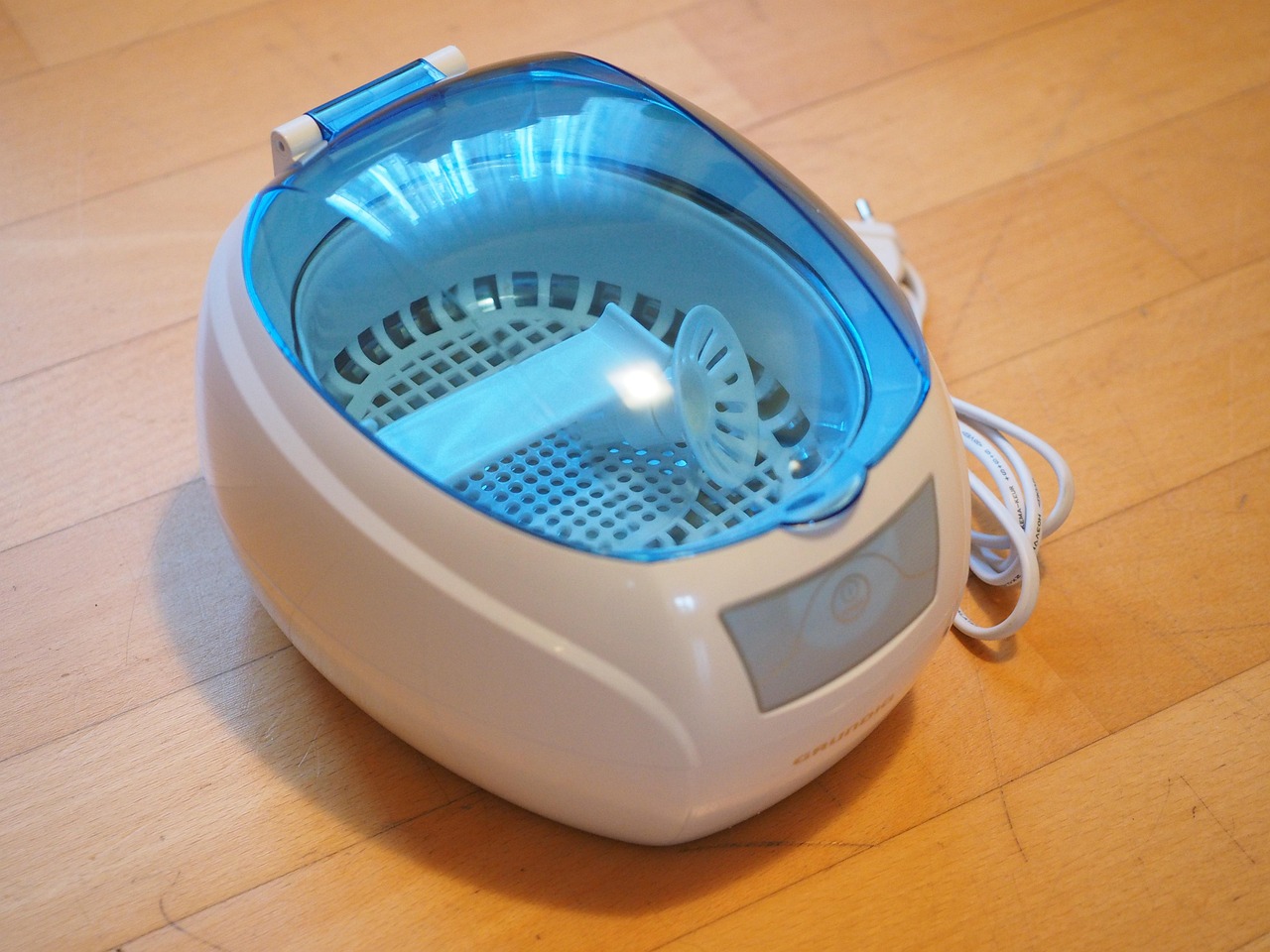
How Minerals Dampen the Cavitation Effect
Ultrasonic cleaning works through cavitation—the rapid formation and collapse of millions of microscopic bubbles in a liquid. This process is driven by high-frequency sound waves. For maximum efficiency, these sound waves must travel through the liquid with as little resistance as possible.
Tap water contains dissolved minerals like calcium, magnesium, and silica. These solids act as "dampeners" for the sound waves. Instead of the energy being focused on creating powerful cavitation bubbles, much of it is absorbed or scattered by the mineral content. This means your cleaner has to work harder to achieve the same results, or worse, fails to reach the necessary energy threshold for cleaning complex parts.
The Slow Death of Transducers: Scale Buildup
The heart of any ultrasonic cleaner is the transducer—the component that converts electrical energy into high-frequency sound waves. Transducers are typically bonded to the bottom or sides of the stainless steel tank. When tap water is heated (a common practice in ultrasonic cleaning), the minerals in the water begin to precipitate out, forming a hard scale known as "limescale" or "calcium deposit."
This scale builds up directly on the tank surfaces where the transducers are located. This creates several critical problems:
- Thermal Insulation: Scale acts as an insulator, trapping heat between the transducer and the tank. This can lead to overheating and premature failure of the transducer bonding.
- Energy Attenuation: The hard mineral layer creates a physical barrier that the sound waves must penetrate. This significantly reduces the energy transferred into the cleaning solution.
- Pitting and Corrosion: Over time, mineral deposits can lead to localized corrosion or "pitting" of the stainless steel tank, eventually causing leaks that can destroy the internal electronics.
Reducing Cleaning Efficiency and Result Quality
Beyond equipment damage, tap water negatively impacts the quality of the cleaning itself. As the water evaporates from the parts after the cleaning cycle, the dissolved minerals are left behind. This results in white spots, streaks, and a dull film—precisely what you were trying to avoid.
In precision industries like electronics or medical device manufacturing, these residues are more than just an aesthetic issue. Mineral residue can cause electrical shorts on circuit boards or provide a "foothold" for bio-burden on medical tools, potentially compromising sterilization cycles.
The Solution: Deionized (DI) Water
Deionized water is water that has had virtually all of its mineral ions removed. By using DI water in your ultrasonic tank, you eliminate the source of scale and energy dampening. The benefits are immediate:
- Maximum Energy Transfer: Pure water allows sound waves to travel with minimal resistance, maximizing cavitation power.
- No Scale Buildup: Without minerals, there is nothing to plate out on your transducers or tank walls.
- Extended Equipment Life: Transducers run cooler and more efficiently, significantly extending the life of your machine.
- Residue-Free Results: Parts emerge truly clean, with no mineral spots or films left behind after drying.
Cost-Benefit Analysis: Purity vs. Replacement
Many business owners hesitate at the cost of deionized water, viewing tap water as "free." However, this is a classic case of being penny-wise and pound-foolish. The cost of a professional ultrasonic cleaner can range from several hundred to tens of thousands of dollars. The cost of replacing a damaged tank or a failed transducer set often exceeds 50% of the unit's original price.
When you factor in the labor costs of re-cleaning parts that came out spotted, the risk of equipment downtime, and the shortened lifespan of your machine, deionized water is actually the most cost-effective choice for any professional operation.
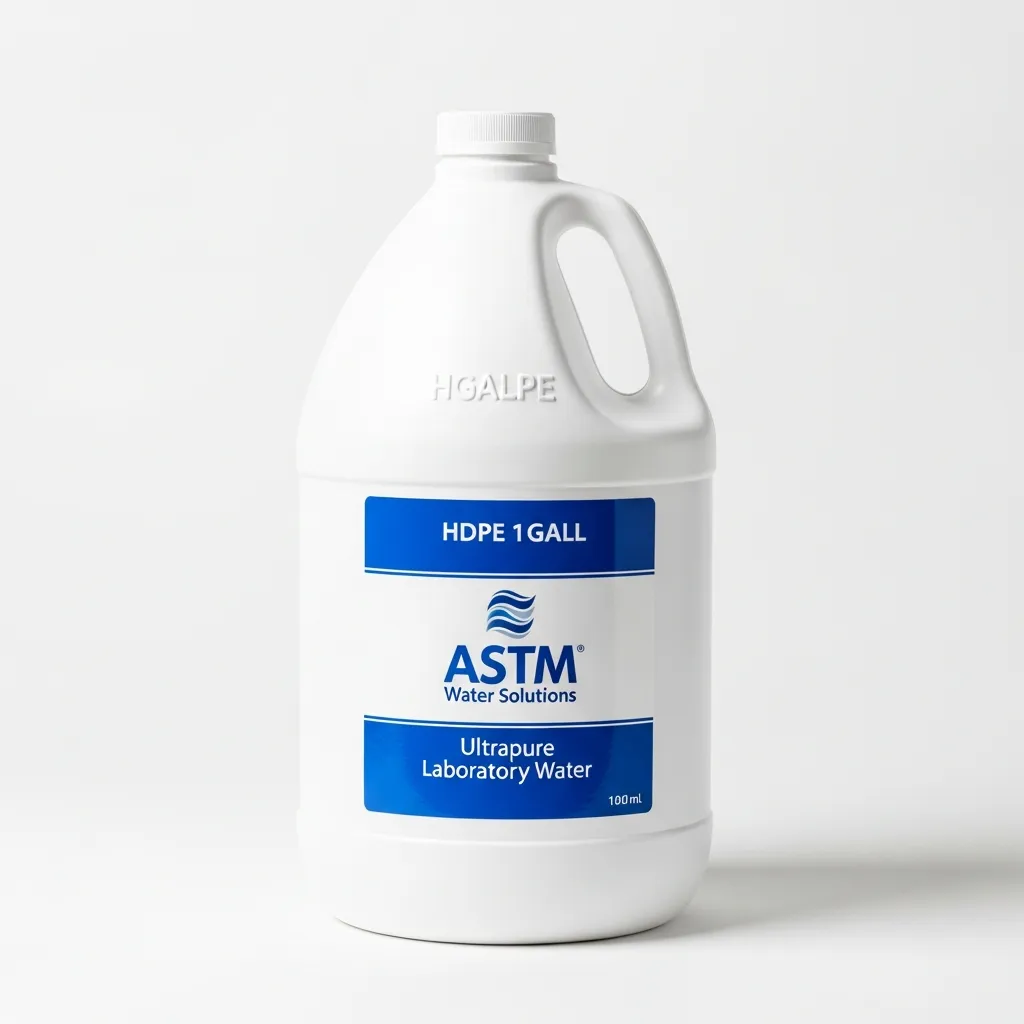
Precision Cavitation & Purity
Ensure your ultrasonic cleaner performs at its peak. Use ASTM D1193 Type I or Type II Deionized water for maximum cavitation and zero residue.
View Pure Water Products