The Foundation of Clinical Sterilization
In the medical and dental fields, cleaning is not merely an aesthetic requirement—it is a critical safety protocol. Before any instrument can be sterilized in an autoclave, it must be thoroughly cleaned of all organic and inorganic debris. This process, known as decontamination, is where ultrasonic cleaning plays its most vital role. However, the effectiveness of this step is heavily dependent on the quality of the water used.
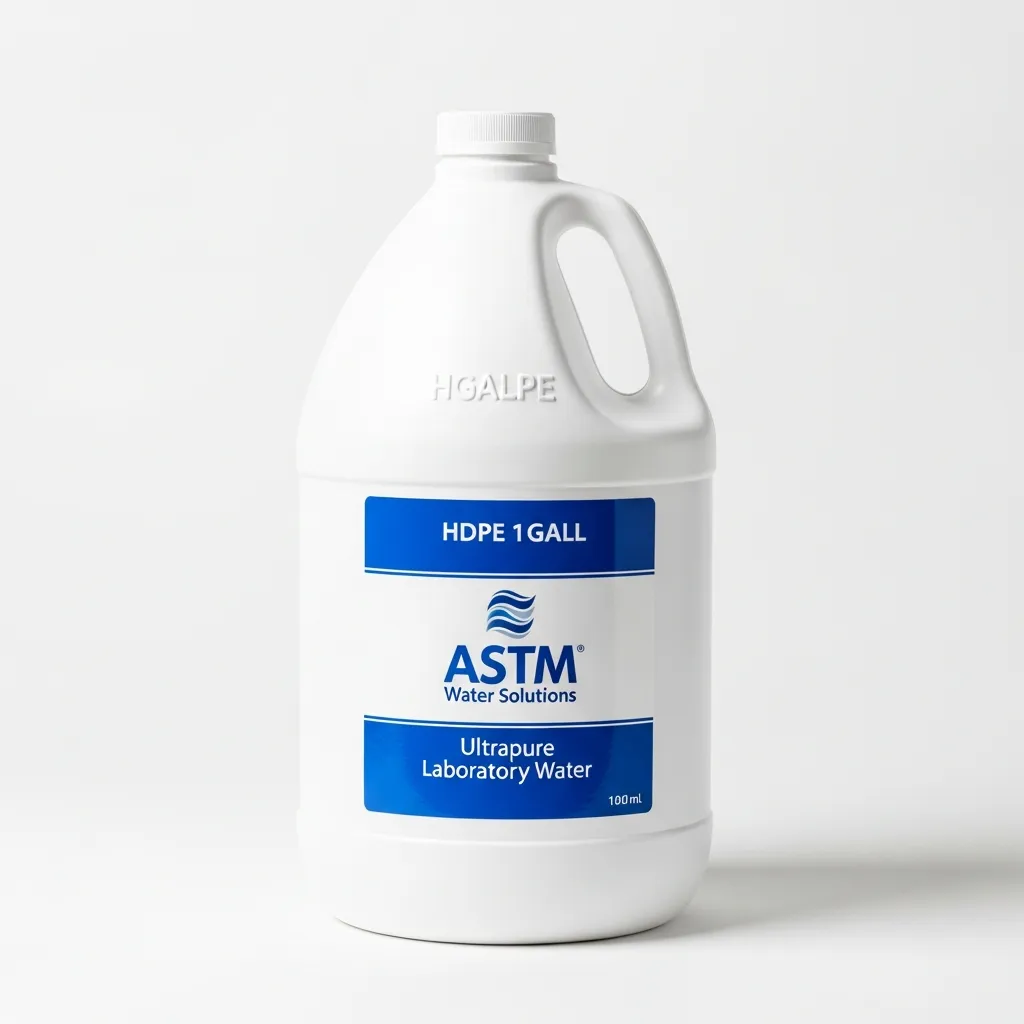
Using ordinary tap water in an ultrasonic cleaner for medical instruments is a significant risk. Tap water contains minerals, chlorine, and other dissolved solids that can interfere with the cleaning process, damage expensive tools, and compromise the entire sterilization chain. To meet ASTM and ISO standards, deionized (DI) water is the industry-recognized solution for high-level decontamination.
ASTM D1193 and ISO 17664 Standards
Compliance with international standards is mandatory for modern healthcare practices. ASTM D1193 defines the requirements for reagent-grade water, with Type II water being the most common standard for medical laboratory and cleaning applications. Similarly, ISO 17664 outlines the requirements for the processing of health care products, emphasizing the need for water that does not introduce new contaminants during the cleaning phase.
Deionized water ensures that instruments are cleaned in an environment free of mineral interference. When water purity is maintained at 0 TDS (Total Dissolved Solids), the ultrasonic cavitation effect is maximized, and no mineral residue is left behind on the tools. This level of purity is essential for preventing the formation of biofilms and ensuring that subsequent sterilization steps are 100% effective.
Bio-Burden Prevention and Instrument Longevity
The primary goal of pre-sterilization cleaning is the removal of "bio-burden"—the population of viable microorganisms on a product or instrument. If organic material like blood or tissue is left on a tool, the high heat of an autoclave can actually "bake" this material onto the surface, creating a protective shield for bacteria and viruses. This results in a failure of the sterilization cycle.
Furthermore, the minerals in tap water (calcium, magnesium, and silica) are highly abrasive and corrosive at a microscopic level. Over time, these minerals cause "pitting" in stainless steel instruments. These tiny pits become hiding places for bio-burden and eventually lead to the structural failure of the tool. By using DI water, practices eliminate this mineral-driven corrosion, significantly extending the life of expensive surgical and dental instruments.
Autoclave Protection and Maintenance
The relationship between the ultrasonic cleaner and the autoclave is symbiotic. Instruments cleaned with tap water carry mineral residues into the autoclave. When the autoclave heats up to create steam, these minerals precipitate out, forming scale inside the autoclave's internal lines and chambers. This leads to:
- Reduced Heat Transfer: Scale acts as an insulator, requiring more energy to reach sterilization temperatures.
- Valve and Pump Failure: Mineral deposits are a leading cause of mechanical failure in sterilization equipment.
- Spotting on Instruments: Even if the autoclave uses distilled water, the residue carried over from the ultrasonic cleaner will cause white spots on the tools.
Implementing a DI water rinse after the ultrasonic cycle or using DI water within the ultrasonic tank itself eliminates these risks entirely, protecting both the instruments and the capital equipment used to sterilize them.
Compliance Requirements for Modern Practices
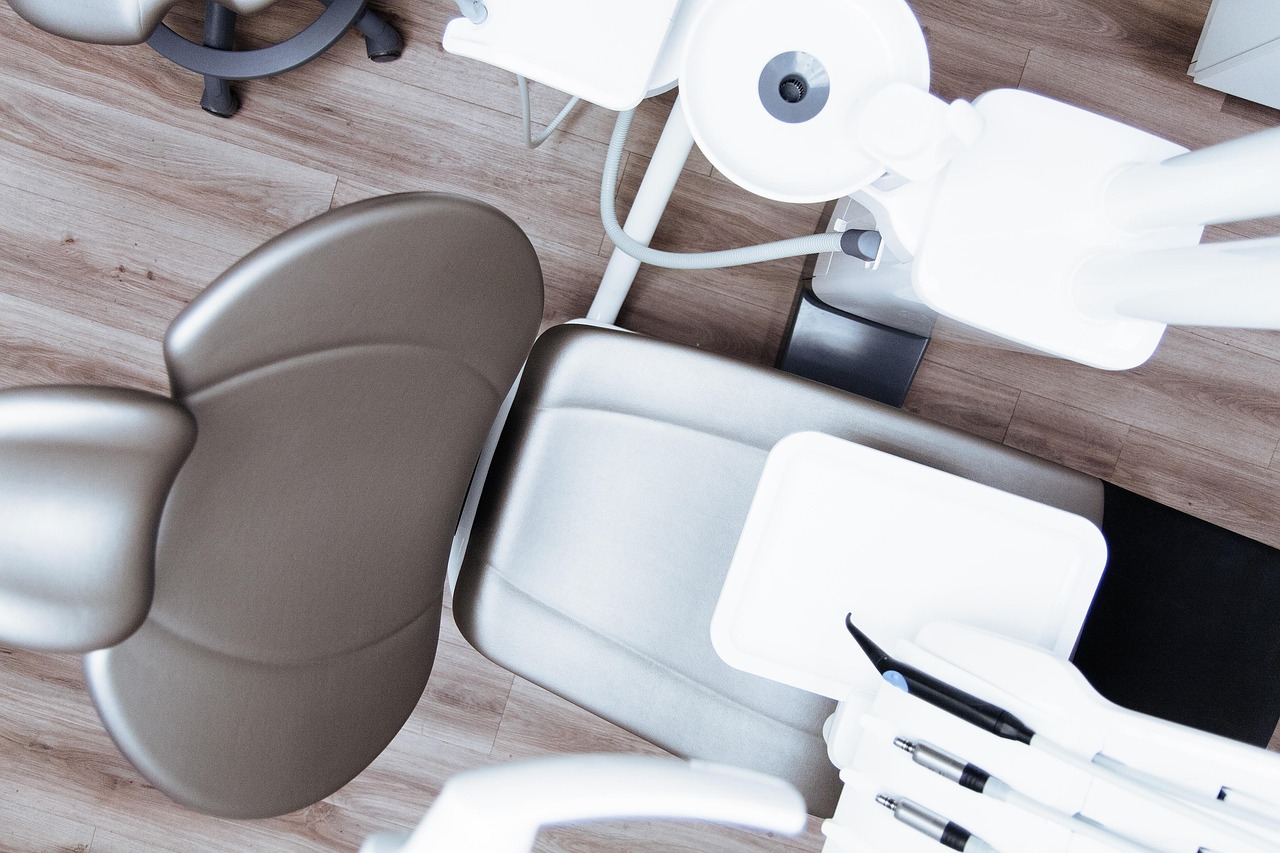
Regulatory bodies such as the CDC and OSHA are increasingly scrutinizing the water quality used in medical device processing. Documentation of water quality and the use of deionized or distilled water in the decontamination room is now a standard part of practice audits. For dental practices, specifically, the transition to high-purity water is no longer optional but a baseline requirement for patient safety and liability protection.
Switching to deionized water is a simple yet profound upgrade to any medical or dental sterilization workflow. It ensures that the practice remains in compliance with the highest industry standards while providing the best possible care for patients and the best protection for valuable equipment.