The Great Filtered Water Fallacy
In the world of professional cleaning, there is a common misconception that "filtered" water is equivalent to "pure" water. Many window cleaners, auto detailers, and solar panel maintenance teams start their journey by using carbon filters or simple sediment filters, only to be frustrated when they still see spots on the glass after drying. The reality is that filtration and deionization are two entirely different processes, and for a spot-free finish, 0 TDS (Total Dissolved Solids) is the only acceptable benchmark.
While a standard filter can remove chlorine, sediment, and some organic contaminants, it does almost nothing to the dissolved minerals that cause spotting. To achieve a professional finish that requires no manual drying, you must move beyond filtration into the realm of deionization.
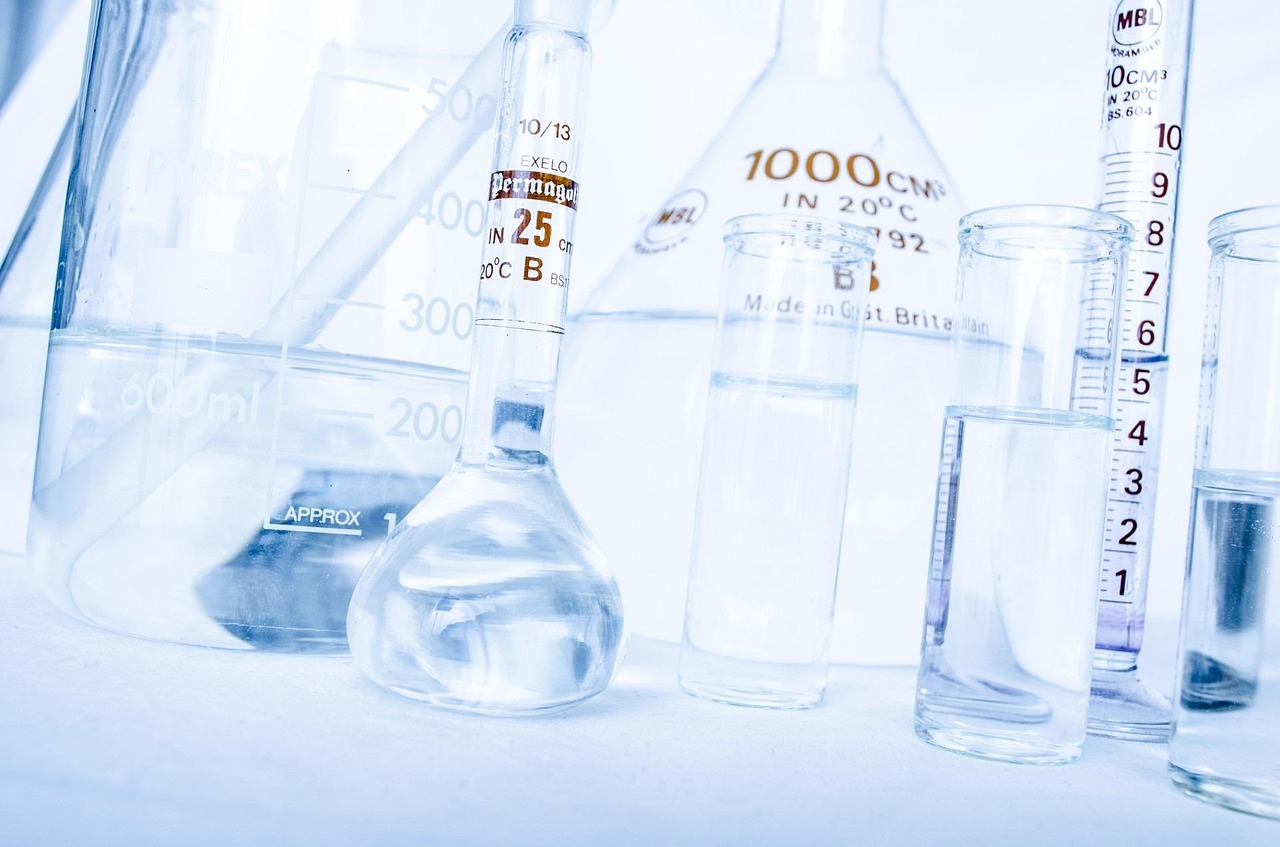
What is TDS?
TDS stands for Total Dissolved Solids. It is a measurement of the combined content of all inorganic and organic substances contained in a liquid in molecular, ionized, or micro-granular suspended form. In ordinary tap water, these solids are primarily minerals like calcium, magnesium, sodium, potassium, and bicarbonates. These are the "building blocks" of water spots.
When you spray tap water on a window and let it air-dry, the H2O molecules evaporate into the atmosphere, but the dissolved solids cannot. They remain on the surface, forming the white rings and crystalline structures we know as "water spots." The higher the TDS, the more significant and visible these spots will be.
The Failure of Traditional Filtration
Why doesn't a standard water filter work for window cleaning? It comes down to the size and nature of the contaminants. A sediment filter is like a screen; it catches "big" things like sand or rust. A carbon filter works through adsorption, trapping chemicals like chlorine that affect taste and odor. However, dissolved minerals are much smaller—they are dissolved at the ionic level.
Imagine trying to catch salt that has been dissolved in a glass of water using a coffee filter. The water goes through, and the salt goes through right with it. This is exactly what happens with most household and industrial filters. They might make the water safer to drink, but they don't make it "pure" enough for glass. Even water from a high-quality refrigerator filter or a pitcher can still have a TDS reading of 150-300 ppm (parts per million)—far too high for a spot-free rinse.
The 0 TDS Standard
In professional window cleaning, there is a "danger zone" for TDS. While some cleaners claim they can get away with 5-10 ppm, the industry standard for guaranteed results is 000 ppm.
- 000-010 ppm: The Pro Zone. Perfectly clear, spot-free results.
- 010-025 ppm: The Risk Zone. May look clear in some lighting but show faint spots in direct sunlight.
- 025-050 ppm: The Fail Zone. Visible spotting will occur, requiring manual detailing.
- 100+ ppm: Traditional tap water range. Heavy spotting and mineral buildup.
To reach 0 TDS, the water must pass through a deionization (DI) resin. This resin uses an ion-exchange process to physically swap the mineral ions for hydrogen (H+) and hydroxyl (OH-) ions, which combine to form pure H2O. This is the only way to ensure that when the water evaporates, there is absolutely nothing left on the glass.
What a TDS Meter Reveals
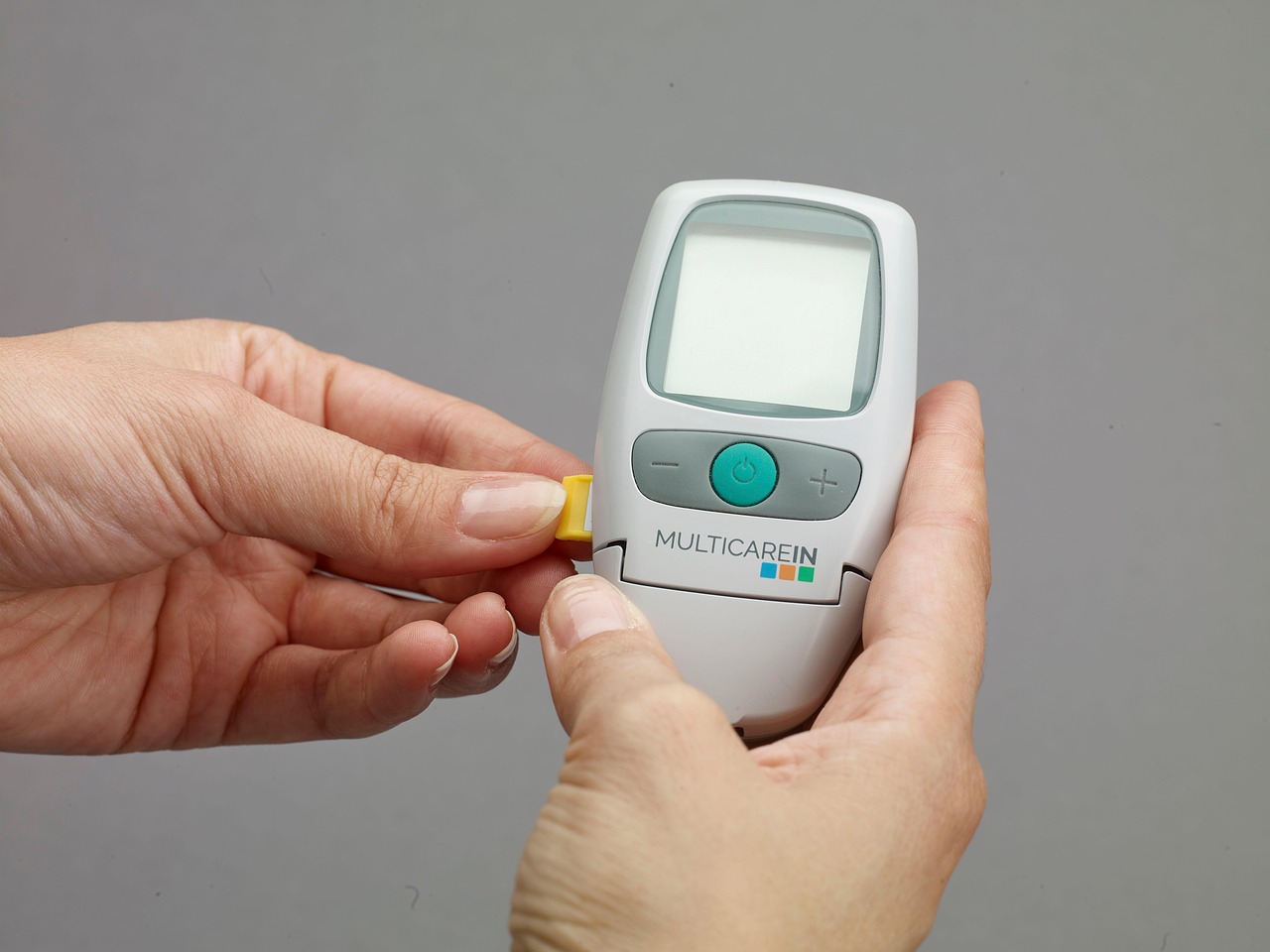
For a professional, a TDS meter is not just a tool; it's a quality control device. It provides an objective, numerical measurement of the water's purity. Without it, you are guessing. Professional window cleaners use TDS meters to:
1. Test Incoming Tap Water
Tap water TDS varies wildly by geography. In some areas, tap water might be 50 ppm (relatively soft), while in others, it can exceed 500 ppm (extremely hard). Knowing your starting point determines how quickly your DI resin will be exhausted.
2. Monitor Resin Performance
DI resin has a finite capacity. As it exchanges ions, it eventually becomes saturated and can no longer "clean" the water. This is known as "breakthrough." By testing the output water regularly, a pro knows exactly when to swap their resin before they start leaving spots on a customer's windows.
3. Prove Quality to Customers
Showing a customer a "000" reading on a meter is a powerful marketing tool. it demonstrates the scientific rigor of your process and justifies the premium price of a pure water service.
The Difference: Deionization vs. Filtration
It is crucial to use the right terminology. If you tell a customer you use "filtered water," you are underselling your service and technically being inaccurate. You use High-Purity Deionized Water. This distinction is important for building trust and establishing expertise. While anyone can buy a garden hose filter at a hardware store, only a professional invests in the equipment necessary to reach true zero TDS purity.
Conclusion: No Shortcuts to Purity
The math of window cleaning is simple: Total Dissolved Solids = Total Visible Spots. If you want to eliminate the spots, you must eliminate the solids. There is no filter, no chemical additive, and no "special" tap water that can replace the effectiveness of a 0 TDS DI system. When your reputation—and your profit margin—is on the line, it's 0 TDS or bust.
Achieve the Perfect Spot-Free Finish
Stop guessing and start cleaning with confidence. Our deionized water solutions are guaranteed to deliver 0 TDS performance for a flawless, professional result every time.
View 0 TDS Water Products